
Last updated November 23, 2026
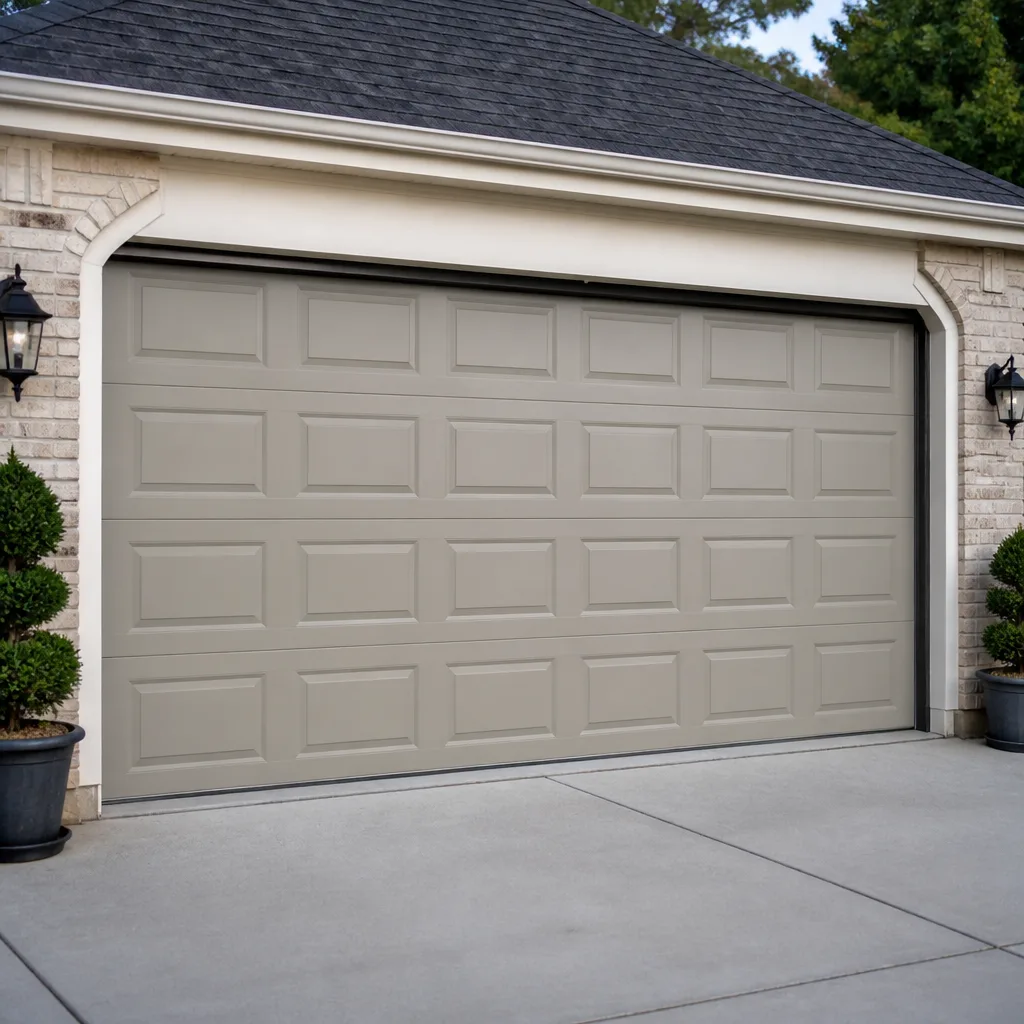 Raised-panel steel
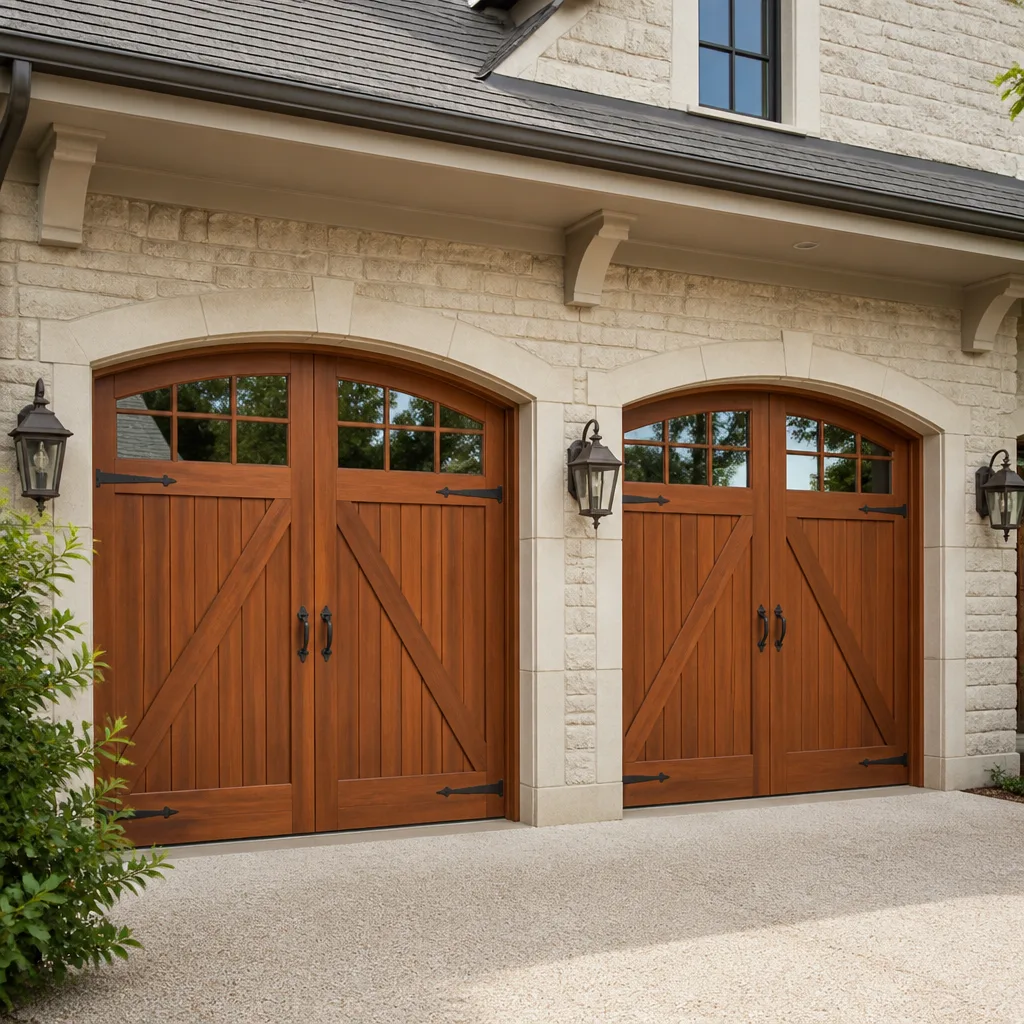 Carriage house
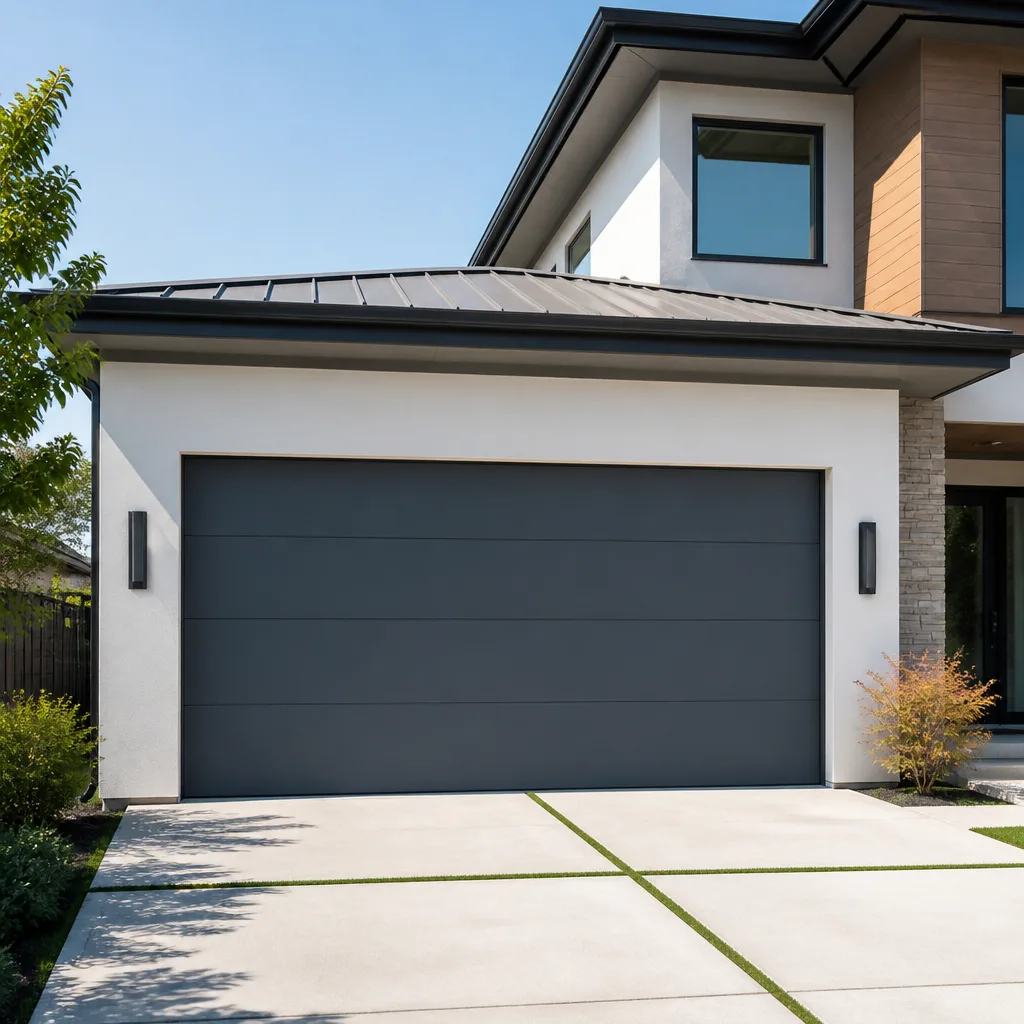 Modern flush
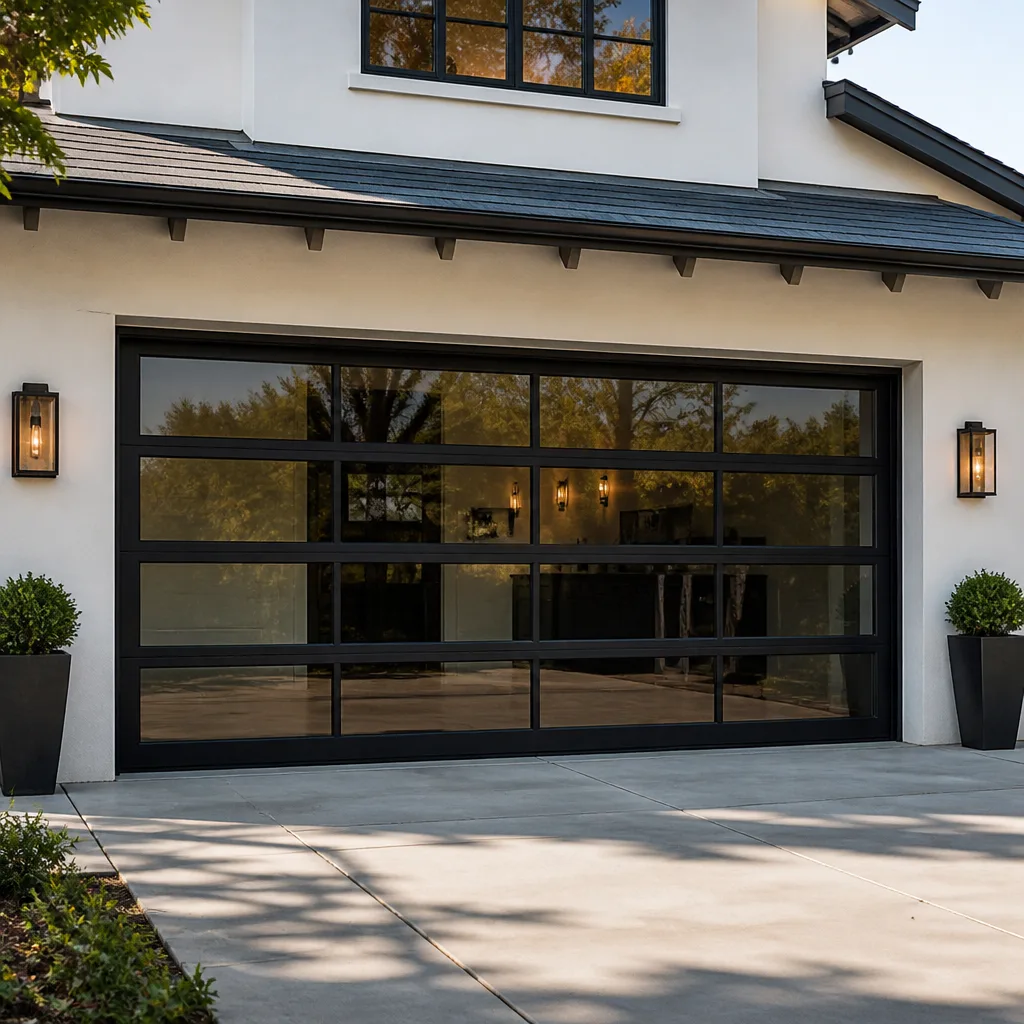 Full-view glass
 LiftMaster openers
 Chamberlain openers
Full 25-point door and opener safety check with every visit - springs, cables, rollers, tracks, and your LiftMaster or Chamberlain opener included
You get a price before we start. It does not change when the pro arrives.
Get your free estimateSeasonal Garage Door Care for Newnan: Year-Round Homeowner’s Guide
Most seasonal garage door advice you’ll find online was written for places with hard winters and long freeze-thaw cycles. Newnan doesn’t work that way. Our cold season is brief, which is exactly why it catches people off guard: the two or three nights a year it drops well below freezing are the nights a tired spring is most likely to let go, because nobody in a mild climate thinks to prep for cold. Meanwhile, our real year-round wear comes from the other direction – summer humidity that works on wood panels and rubber seals month after month. This guide walks through what your door actually faces in Newnan across all four seasons, what to check and when, and the mistakes that shorten a door’s life here.
Styles & brands we work with
- Raised-panel steel
- Carriage house
- Modern flush
- Full-view glass
- LiftMaster openers
- Chamberlain openers
Quick Answer
Garage door care in Newnan follows a humidity-first, cold-snap-second rhythm: check and lubricate springs, rollers, and hinges in fall before the first freeze, watch wood panels and bottom seals through the humid summer, and inspect the whole system in March after the cold season passes. Most of the work is visual and takes minutes; the dangerous parts – springs and cables – should always be left to a trained technician.
Table of Contents
- How Newnan’s Climate Treats a Garage Door Differently
- Summer Prep: Humidity, Wood Panels, and Bottom Seals
- Fall Prep: Lubricating Metal Before the First Cold Snap
- Winter Reality Check: Frozen Seals, Ice, and Your Opener
- Spring Post-Winter Inspection: The Three Components to Check in March
- Year-Round Pests and Debris: Wasps, Pine Pollen, and Georgia Grit
- Your Newnan Garage Door Care Calendar at a Glance
- Common Mistakes to Avoid
- When to Call a Professional
- Frequently Asked Questions
- The Bottom Line
How Newnan’s Climate Treats a Garage Door Differently
Garage doors in Newnan live in a climate that spends most of the year warm and humid, then briefly turns cold enough to matter. That’s a different set of stresses than a northern door faces. Doors up north deal with months of repeated freezing and thawing; a Newnan door deals with long stretches of moisture in the air, interrupted by a handful of sharp cold nights. Both situations wear a door down, but they wear different parts.
The humidity is the bigger long-term factor. Wooden door panels take on moisture through the seasons, and the repeated swelling and drying puts stress on joints, paint, and panel edges. Steel doors don’t swell, but moisture finds its way into seams and around hardware, and the finish on an older steel door can start to fail at the bottom edge where water sits. Rubber bottom seals harden and crack faster in a climate that stays warm, because they never get a real cold season to rest.
The brief cold is the sharper risk. Metal contracts when temperatures drop, and a torsion spring that’s been carrying tension all year is under more stress on a cold night than on a warm day. That’s why a disproportionate number of spring failures happen during the few nights Newnan actually freezes. Nobody was thinking about it in October, so nothing got lubricated or checked in November.
Add in the summer sun hitting a west- or south-facing door, and the surface temperature on a steel or wood door climbs well past the air temperature. Paint fades, caulk dries, and rubber seals age faster on sun-facing doors.
What all this means is simple: Newnan doors do best with care timed to the seasons we actually have, not the ones a generic national guide assumes. Fall lubrication, summer moisture checks, a March inspection, and a few habits in between cover almost everything.
If your door is already showing the wear this climate causes, our garage door repair service handles the whole range from a sagging panel to a door that won’t close.
Summer Prep: Humidity, Wood Panels, and Bottom Seals
Summer is when the slow damage happens in Newnan. The air holds moisture for months, and every part of a door that can absorb or trap that moisture gets worse between May and September. Getting ahead of it before the heat peaks keeps small problems from becoming replacements.
Wood door panels
Wood panels swell slightly as they take on humidity, then shrink back when the air dries. Over enough cycles, the paint film on the edges cracks, moisture gets into the grain, and the panel starts to cup or split. The fix is maintenance, not replacement: check the paint and sealer on all four edges of every panel in early summer, touch up any bare or cracked spots before the humid stretch, and pay particular attention to the bottom section, which sits closest to splashing and damp concrete.
Steel door finish
Steel doesn’t absorb water, but it does hold it. Any chip or scratch in the finish becomes a place where moisture sits against bare metal. In a humid climate that spot doesn’t dry out quickly. Walk the door once in late spring and touch up chips with matching paint. It’s a fifteen-minute job that adds years to a steel door.
Bottom rubber seals
The bottom seal takes the most abuse of any part of the door. It sits against a damp floor, flexes every time the door closes, and stays warm for most of the year, which ages rubber faster than cold does. A hardening or cracked seal lets water, insects, and outside air into the garage. Run a hand along the seal in early summer: if it feels stiff or you can see cracks, plan to replace it before fall.
Checklist for early summer in Newnan
- Inspect paint and sealer on all wood panels; touch up bare edges.
- Look for chips and scratches on steel doors and treat them.
- Test the bottom seal by hand for stiffness and cracks.
- Wipe down and lubricate rollers and hinges with a garage-door-specific lubricant.
- Clear debris from the tracks and check that the door runs smoothly by hand.
If your opener starts acting up during the hotter months – reversing for no reason, running slowly, or not responding – that’s often heat and humidity affecting the electronics rather than a dying motor. Our garage door opener repair service deals with this often in summer.
Fall Prep: Lubricating Metal Before the First Cold Snap
Fall is the most important season for garage door care in Newnan, and it’s the one most homeowners skip. The point of fall prep is to get every metal component moving freely before the temperature drops, so nothing is being asked to do its job while contracted and dry.
Why lubrication matters before cold weather
Metal parts on a garage door – rollers, hinges, springs, and the torsion tube – rely on a thin film of lubricant. Through the warm months that film thins out, dust collects on it, and the moving surfaces get dry. When the first cold night arrives, those dry surfaces have more friction than usual, and the spring tension that’s been stable all summer now acts on cold, contracted metal. That’s when bearings seize, rollers drag, and springs break.
What to lubricate and with what
- Rollers: a drop of garage-door-specific lubricant on the bearing of each roller, not on the roller face.
- Hinges: one drop at each pivot point. Don’t use a spray that flings everywhere; the point is to get a small amount in the right place.
- Springs: a light coat on the coils to keep them from rubbing dry – but only for visual inspection. Never touch the winding mechanism yourself.
- Torsion tube and bearings: a small amount at the bearing plate. The tube itself doesn’t need to be greased; the bearings do.
- Tracks: do not grease tracks. Clean them and leave them dry; grease collects grit and makes the door harder to move.
A word on the springs
Torsion springs, the coil above the door on most modern systems, and extension springs, which run along the tracks on older doors, are both under extremely high tension. That tension is what lifts the door, and a spring that fails while you’re near it can cause serious injury. Our advice for homeowner fall prep is this: lubricate visually and check for gaps, stretch, or visible damage, then stop. Anything that means adjusting, winding, or replacing a spring is a technician’s job. The specialized tools and training required exist for a reason.
If you’re wondering whether your springs are due for replacement, our garage door spring repair service starts with an inspection and a written estimate, and we’ll tell you plainly whether your current springs have life left.
One more fall job: check the weatherstripping around the door frame and between panels. It shrinks noticeably when the air dries in October and November, and gaps open up that let cold air and pests into the garage.
Winter Reality Check: Frozen Seals, Ice, and Your Opener
Newnan’s winters rarely give us sustained freezing, but the brief cold snaps do cause real problems. The riskiest scenario is a bottom seal that’s been wet from rain and then freezes to the concrete floor overnight. If you try to force the door open the next morning, the opener pulls against a stuck seal and either the door comes off its track or the opener’s force settings get exceeded and the door reverses.
How to safely separate a frozen bottom seal
- Disconnect the opener first. Use the manual release cord so the opener isn’t trying to do the work.
- Look at the seal and the floor. If there’s visible ice, don’t push the door up. Break the ice contact with a plastic scraper along the bottom seal, working gently and clearing ice away from the seal rather than pushing through it.
- Never pour hot water on the seal. A rapid temperature change can crack cold rubber; use lukewarm water if you need it.
- Never use a chisel, screwdriver, or hammer to lever the door up. That damages the seal and stresses the frame.
- Once the door moves freely by hand, re-engage the opener and run the door through a full cycle to confirm it’s operating normally.
Protecting the opener motor on cold mornings
The opener motor works harder when the door is stiff. Two habits help: run the door once by hand if you suspect a frozen seal before engaging the opener, and check the opener’s force and travel settings at the start of winter so it isn’t overriding a stuck door repeatedly. If your opener reverses for no reason on cold mornings and then works fine by afternoon, that’s usually the force setting being borderline – and that’s a five-minute adjustment for a technician.
When ice catches you off guard
It happens. If a door won’t move, call us. We answer 24/7, and a call outside dispatch hours gets booked into the next opening, Sunday through Friday, 7am to 7pm. Most frozen-seal problems resolve in a single visit once we’ve checked the seal, the opener’s force setting, and the door’s balance.
Winter is also a good time to test the safety reverse. Put a small object under the closing door and confirm it reverses on contact. If it doesn’t, don’t run the door until it’s fixed.
Spring Post-Winter Inspection: The Three Components to Check in March
By the time March arrives, your door has made it through the cold season. The damage that shows up now is cumulative – the cold didn’t necessarily break anything overnight, but the contraction stress added to months of wear. Three components deserve a close look every March in Newnan.
1. Springs
Look at both the torsion coil above the door and, on older doors, the extension springs along the tracks. You’re checking for a visible gap in the coil, a spring that looks stretched or sagging compared to a healthy one, or a door that feels much heavier than it should when you lift it by hand. A torsion spring often gives a warning – reduced lift, a heavier-feeling door, or a visible gap – before it fails. Any spring with those signs should be examined by a technician. Do not attempt to adjust or wind them yourself.
2. Cables and drums
Cables fray and wear out. In March, run a gloved hand along the visible parts of the cables at the sides of the door and look for loose strands or kinks. Cables are under the same high tension as springs and must be handled by trained technicians only.
3. Rollers and tracks
Cold weather can leave rollers running dry and tracks slightly out of alignment. Test the balance: disconnect the opener and lift the door halfway. A balanced door stays put halfway up. If it slams down or sags, the spring tension is off and it’s worth a professional look. Then check tracks by sight for bends or gaps at the seams, and replace any roller that has a flat spot or wobble.
The March inspection, in order
- Disconnect the opener and run the door by hand to feel the balance.
- Look at the springs for gaps, stretch, or sag.
- Look at the cables for frays; don’t handle them without gloves.
- Check rollers for flat spots and tracks for alignment.
- Test the safety reverse and check the bottom seal for weather damage.
- Re-engage the opener and run it through a full cycle.
If anything shows damage in March, our repair service in Newnan can usually diagnose it in a single visit and quote the fix before doing the work. Same-day service is often possible for urgent failures.
Year-Round Pests and Debris: Wasps, Pine Pollen, and Georgia Grit
Georgia’s outdoor life doesn’t take a season off. Two problems specific to our area show up year-round and are easy to catch early.
Wasps and track brackets
The brackets where the tracks attach to the wall, and the gaps inside the door’s hinges, are common nesting spots for paper wasps. In spring and early summer, check these areas – from a safe distance, with a flashlight – before you assume a door is only squeaky. A small nest can jam a roller’s travel and make the door uneven. If you find a nest, don’t knock it down with a bare hand or stand under it. Remove it safely or let a technician handle it during a service visit.
Pine pollen and grit on rollers
When the pines let go in spring, the yellow dust finds every dry lubricated surface. It coats rollers and mixes with old grease in hinge points, turning a smooth surface into an abrasive one. A quick wipe-down of the tracks and hinges after pollen season, followed by fresh lubricant, prevents a lot of grit from working its way into the rollers. It’s a surface-only job, and you don’t need to touch the spring mechanism to do it.
Seasonal debris checklist
- Clear leaves, twigs, and pine straw out of the tracks and the floor seal line before each season.
- Check the top and side weatherstripping for nesting material in spring.
- Wipe down the bottom seal after any period of heavy rain and look for grit trapped between the seal and the floor.
- Keep the garage floor clear so the door has a smooth seal and the opener’s travel isn’t obstructed by stored items.
If you notice the door operating unevenly or a strange grinding sound after a pollen or debris season, our technicians can check the rollers and hinges as part of a full door inspection. Our repair service also covers the smaller noisy-door problems that come out of a Georgia spring.
Your Newnan Garage Door Care Calendar at a Glance
Here’s the whole year in one place, tied to the seasons Newnan actually has.
| Season | Focus | What to Do |
|---|---|---|
| Spring (March-April) | Post-winter inspection, pollen cleanup | Check springs, cables, rollers, and tracks for cold-season damage; test safety reverse; wipe down tracks and hinges after pollen season; look for wasp nests. |
| Early Summer (May-June) | Moisture defense | Check paint and sealer on wood panels; treat chips on steel doors; inspect bottom seal for stiffness; re-lubricate rollers and hinges. |
| Late Summer (July-August) | Heat and humidity | Watch for opener behavior changes; check the seal on the sun-facing side of the door; clear any grit from tracks. |
| Fall (October-November) | Cold-weather prep | Lubricate springs, rollers, and hinges; check weatherstripping for gaps; inspect the bottom seal; test the opener’s force settings. |
| Winter (December-February) | Cold-snap readiness | Keep a plastic scraper handy; disconnect the opener before manually breaking a frozen seal; watch for cold-morning opener reversing. |
This calendar is a guide, not a rigid schedule. A door that faces west and gets afternoon sun will age faster than a north-facing door. A door with original wood panels needs more attention than a newer composite or insulated steel door. A door that’s opened a dozen times a day wears faster than one that opens twice. Adjust the intensity, not the season.
Common Mistakes to Avoid
- Waiting for cold weather to prep for cold weather. By the time you notice the temperature dropping in Newnan, the springs are already contracted and dry. Fall lubrication needs to be done before the first cold snap, not during it.
- Greasing the tracks. It feels helpful, but grease collects grit and pollen, and the tracks are designed to run dry. Clean them and leave them dry.
- Forcing a frozen door open with the opener. This is the fastest way to strip an opener’s gear or pull a door off its track. Disconnect the opener first, break the ice gently, then re-engage.
- Ignoring a rising bottom seal in summer. A cracked seal lets moisture, insects, and outside air into the garage year-round. Replace it before it becomes a bigger problem.
- Adjusting springs yourself. Torsion springs are under extreme tension and a wrong move can cause severe injury. Any spring adjustment or replacement belongs to a specialist with the right tools and training.
- Skipping the post-winter inspection. The damage done by two or three cold nights is often invisible until March. A spring that was stressed in January can show signs of fatigue by spring; that’s the time to catch it.
- Letting pollen and grit sit on your rollers. Left alone through spring, this grit works into the bearings. A quick wipe-down and fresh lubricant saves the rollers.
When to Call a Professional
Some seasonal care is straightforward: lubrication, visual checks, seal inspection, and clearing debris. The work that calls for a trained technician is specific and worth naming so you know when to stop. Call a professional if you see a gap or stretch in a spring, notice cables that are frayed or kinked, have a door that’s off its track or won’t close fully, or hear a grinding noise you can’t trace after a lubricant pass. Any situation where the door feels dangerously heavy or drops on its own is an urgent call, not a wait-and-see. The same goes for an opener that’s reversing, failing to respond, or won’t move the door. Those are the jobs that belong to a garage door specialist, and they’re the ones a general handyman shouldn’t be doing.
Newnan Garage Door Repair Pros offers free estimates in Newnan – call (888) 848-9034. We answer 24/7. Fast dispatch from 7am to 7pm, Sunday through Friday.
We work with the brands already in your garage, including Genie, Clopay, Amarr, and Wayne Dalton systems, and handle both opener repairs and full door installations when it’s time. Our technicians have up to 15 years of experience, and every job is quoted and agreed before any work starts.
Frequently Asked Questions
Yes, but it’s less work than a northern guide would suggest. In Newnan the main seasonal work is fall lubrication before a cold snap, summer seal and paint checks against humidity, and a March inspection after the cold season. That covers the wear this climate actually causes.
Disconnect the opener first using the manual release, then check whether the bottom seal has frozen to the floor. Break the ice contact gently with a plastic scraper, never a metal tool or hot water, and re-engage the opener once the door moves freely. If it still won’t open, call (888) 848-9034. We answer 24/7. Estimates are free.
Twice a year is a good rule for Newnan: once in fall before the cold season and once in early summer after pollen. Use a garage-door-specific lubricant on the rollers, hinges, and spring coils, and leave the tracks dry. A door that faces strong afternoon sun ages faster and may benefit from an extra pass.
No. Torsion and extension springs are under very high tension, and a mistake can cause serious injury. A trained garage door technician has the tools and the training to replace springs safely. Our spring repair service includes an inspection and a written estimate before any work starts, and the price is agreed before we begin.
Often, yes. Newnan’s humidity swells wood panels and dries them out again through the year, and a panel that looks warped in August may look fine in October. If the warp doesn’t flatten out, the panel itself is usually at fault, and a technician can tell you whether it can be repaired or needs replacing. The fix often starts with sealing the panel edges before summer arrives.
Spring and early summer are ideal for a new installation, because a fresh door gets the benefit of the good weather before the humidity peak and is well sealed before the next cold season. Fall is the second-best window. A newer insulated door also handles summer humidity better than original wood panels.
The Bottom Line
Garage door care in Newnan is about the seasons we have, not the ones national guides assume. Fall lubrication before the few cold nights keeps dry metal from failing under contraction stress. Summer seal and paint checks defend against months of humidity. A March inspection catches what the cold season left behind in springs, cables, and rollers. And year-round attention to pests and pollen keeps the small wear from becoming big wear. Most of this work is visual, takes minutes, and doesn’t involve tools on the moving parts under tension. Do the safe checks yourself, and leave the springs and cables to a specialist.
If any of it looks uncertain, our team at Newnan Garage Door Repair Pros is here for a straightforward assessment and a written price. Call (888) 848-9034 for a free estimate. We answer 24/7. Fast dispatch from 7am to 7pm, Sunday through Friday. Same-day service is often available for urgent repairs, and a single visit is usually enough to check the door, diagnose the problem, and set a price before anything begins.
Written by the team at Newnan Garage Door Repair Pros.
See the difference
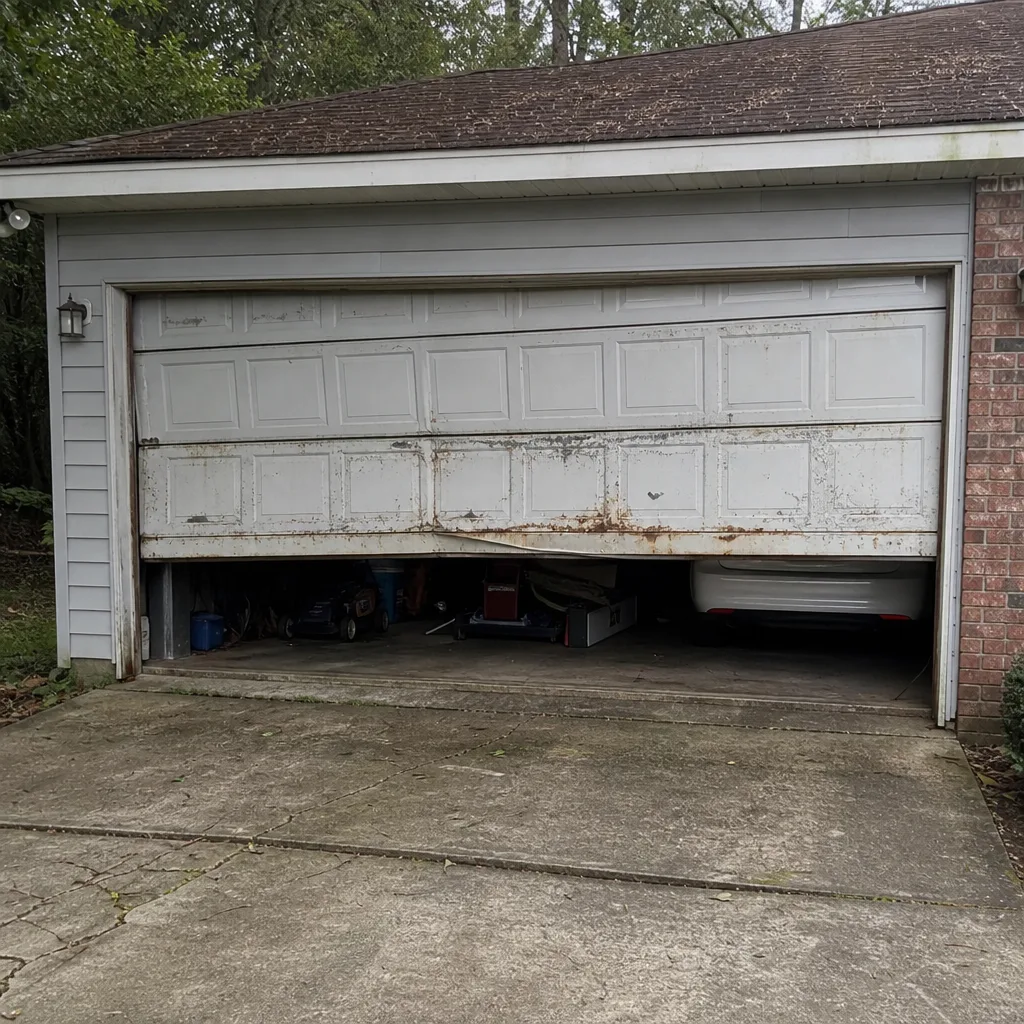 Before
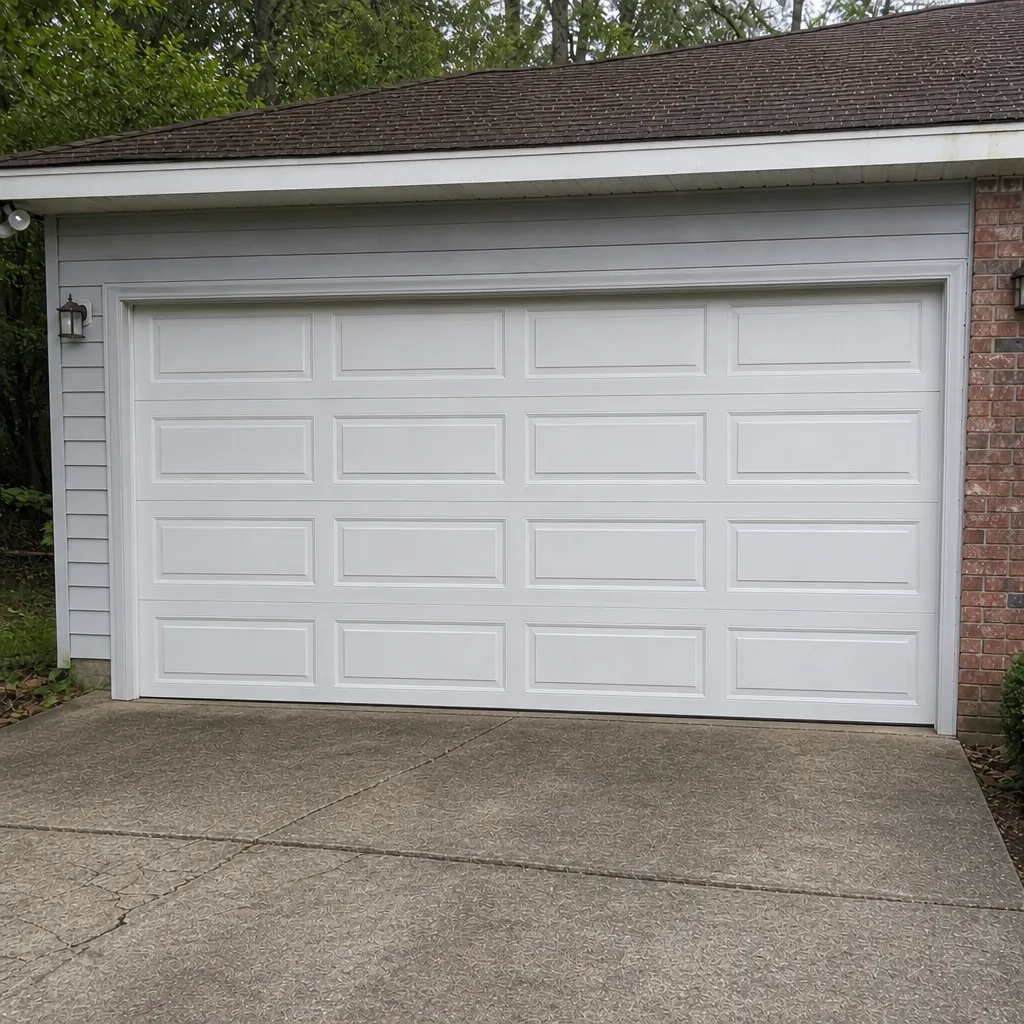 After
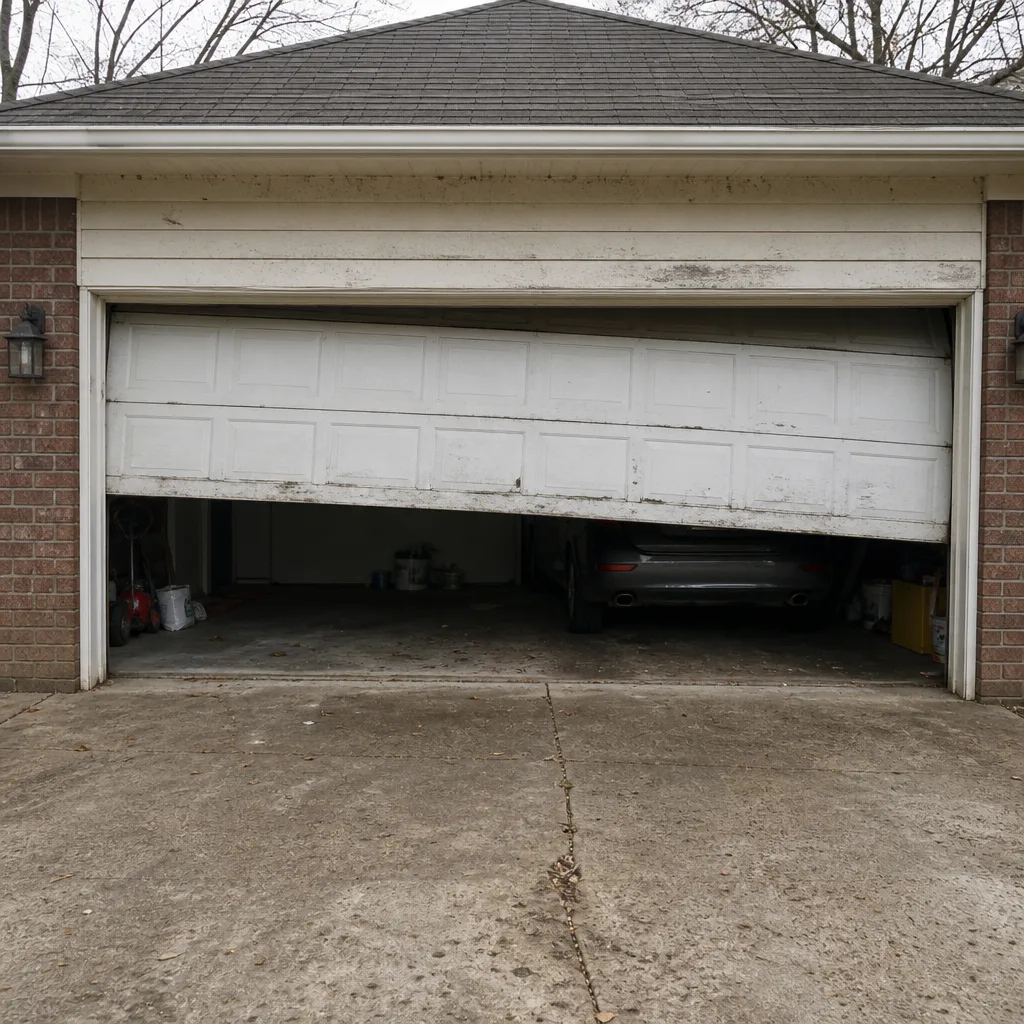 Before
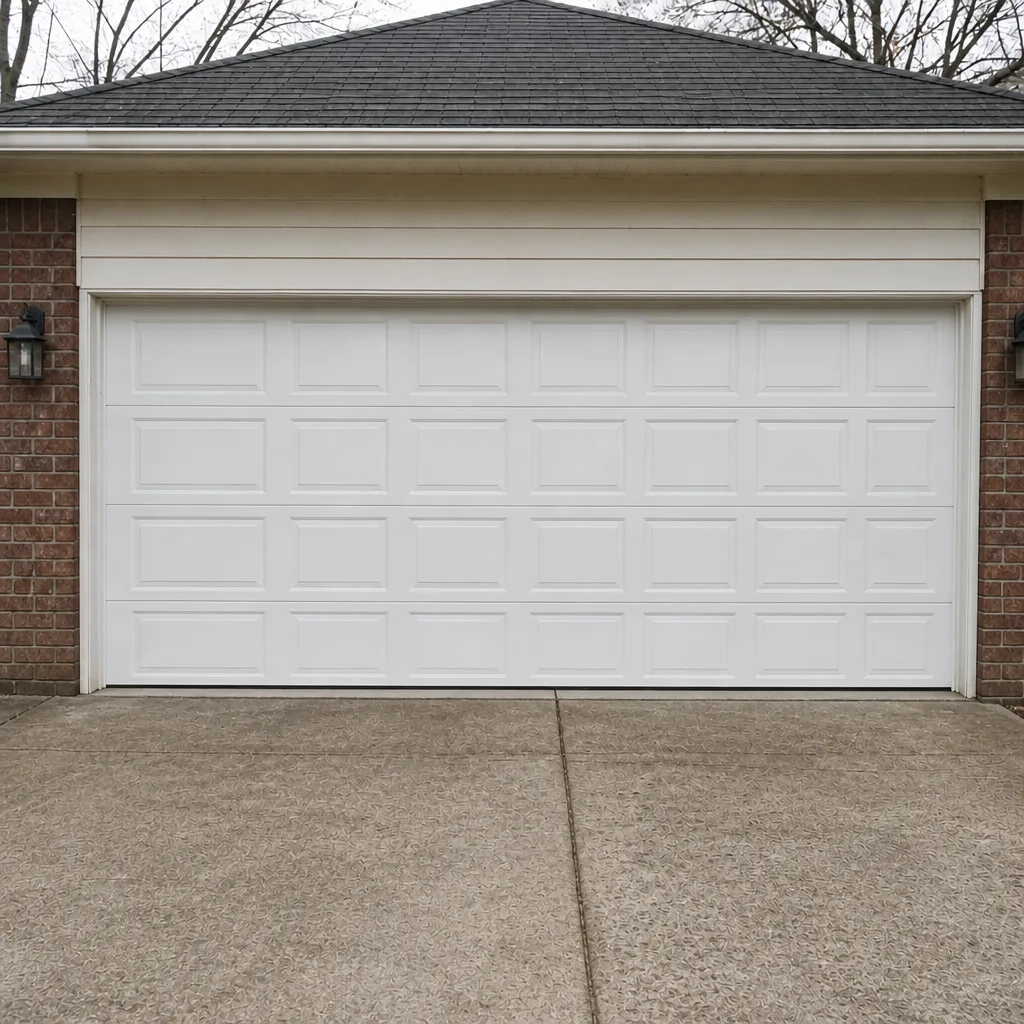 After
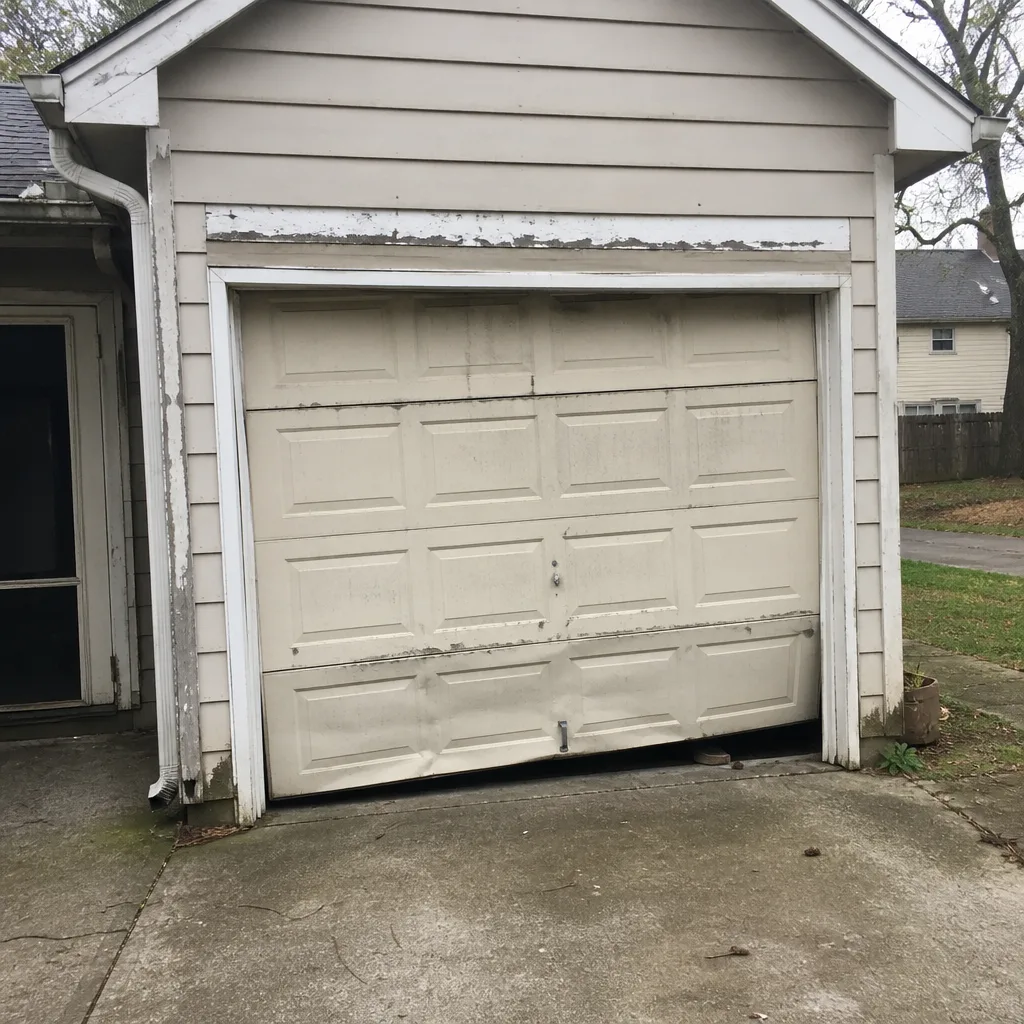 Before
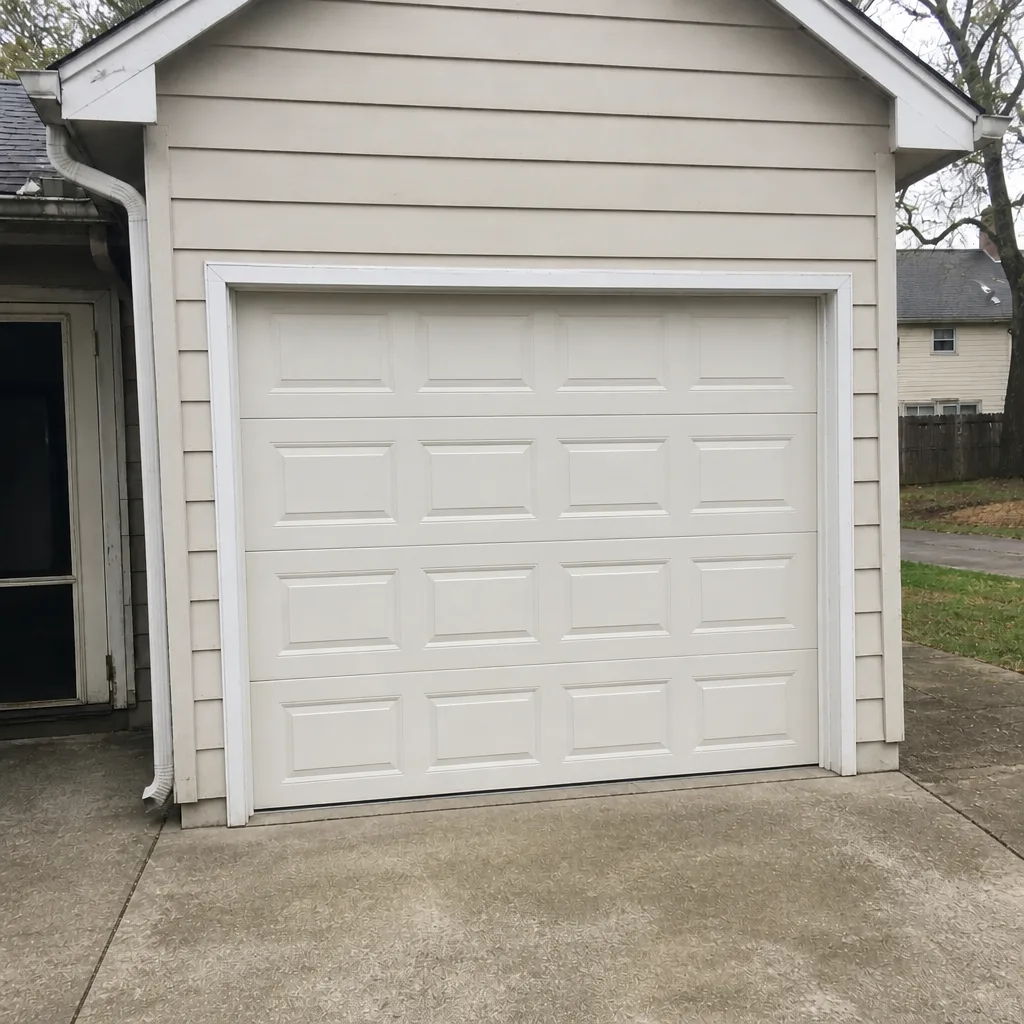 After