
Last updated November 23, 2026
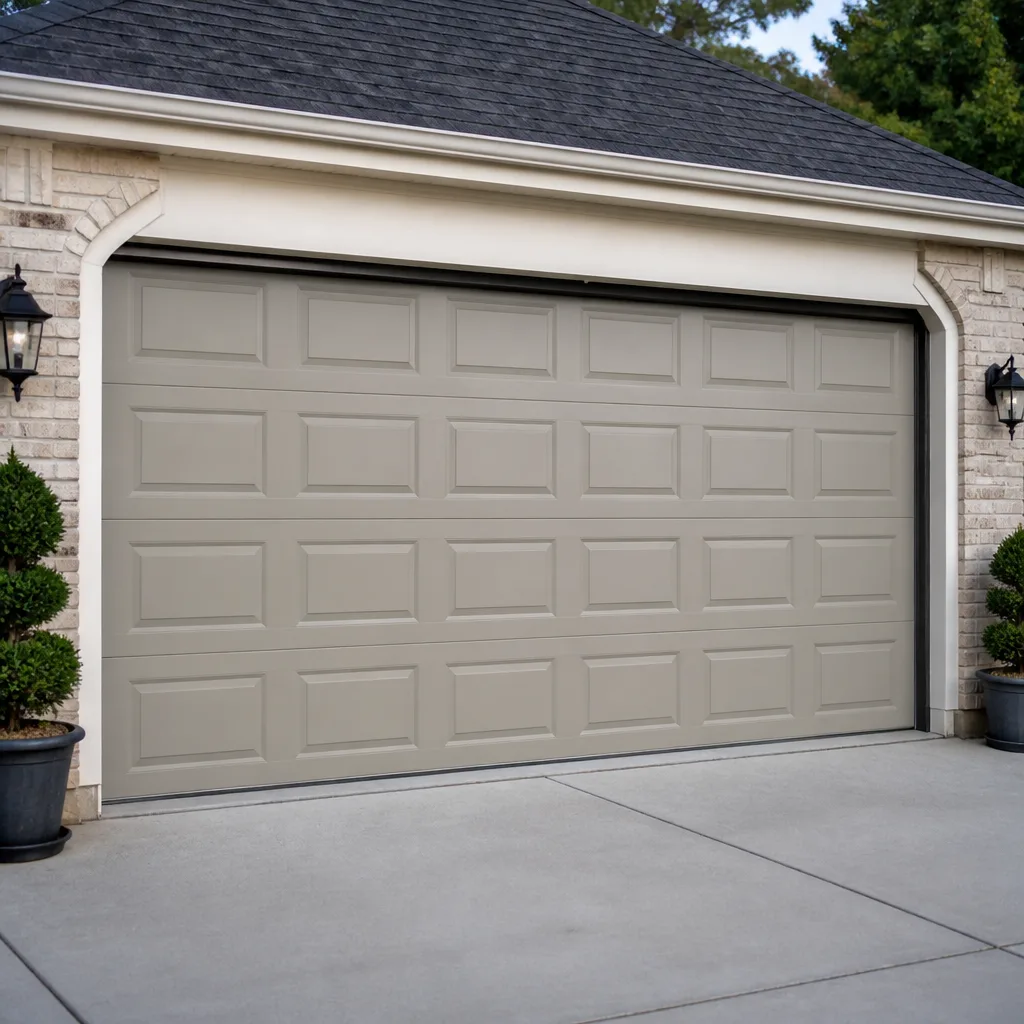 Raised-panel steel
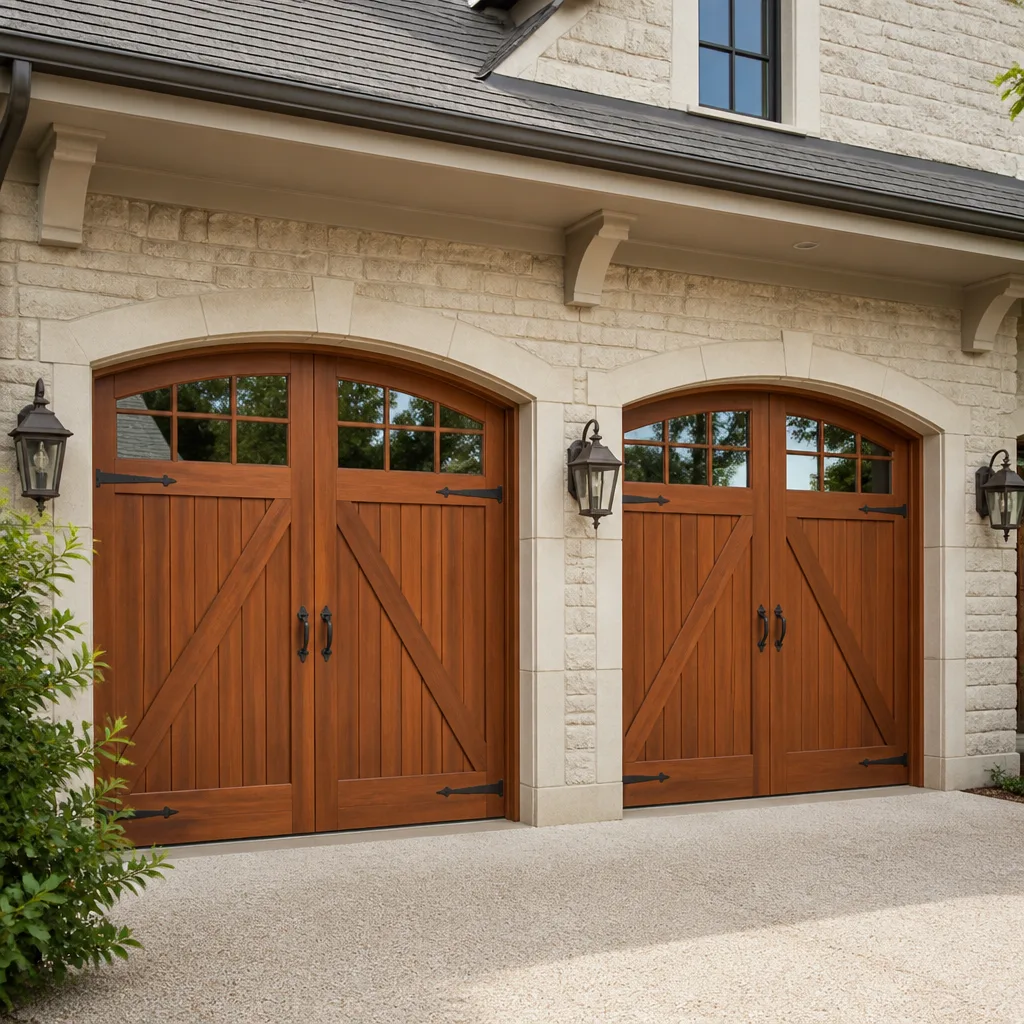 Carriage house
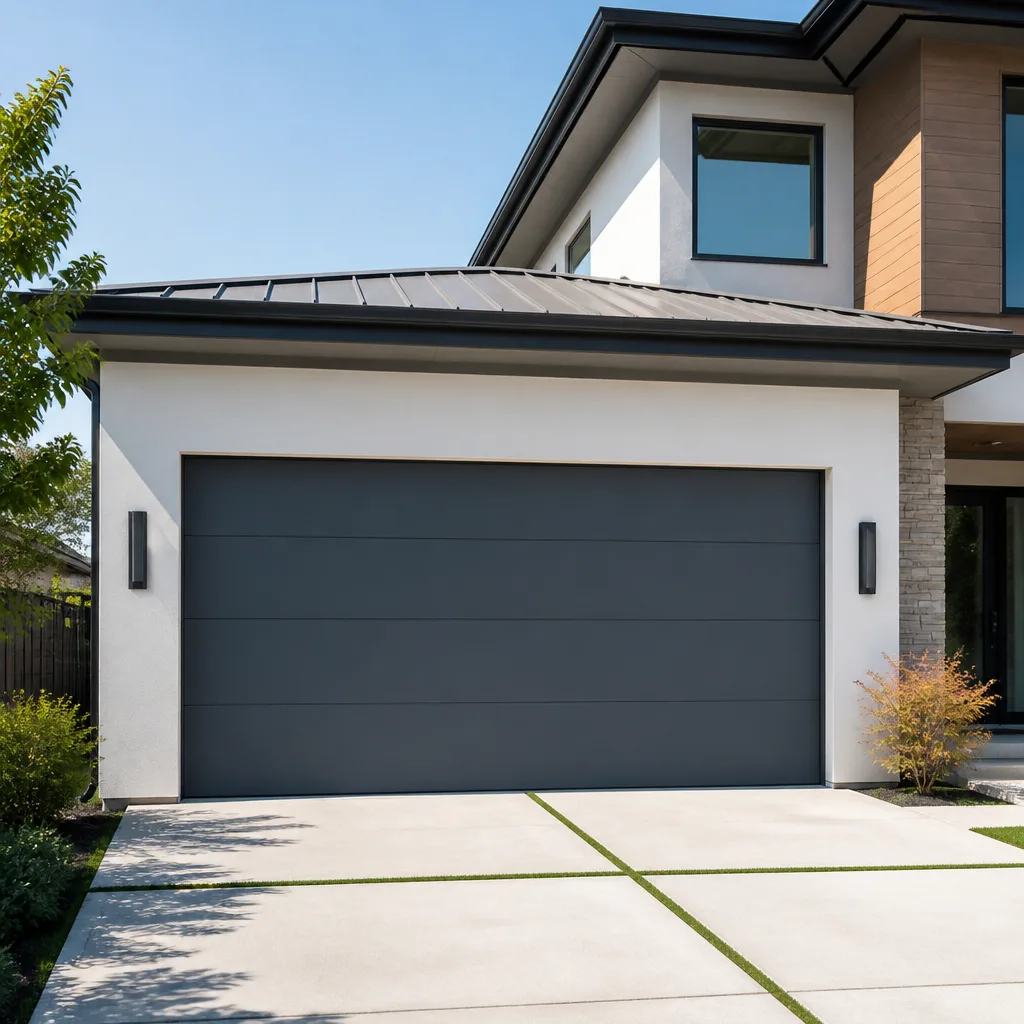 Modern flush
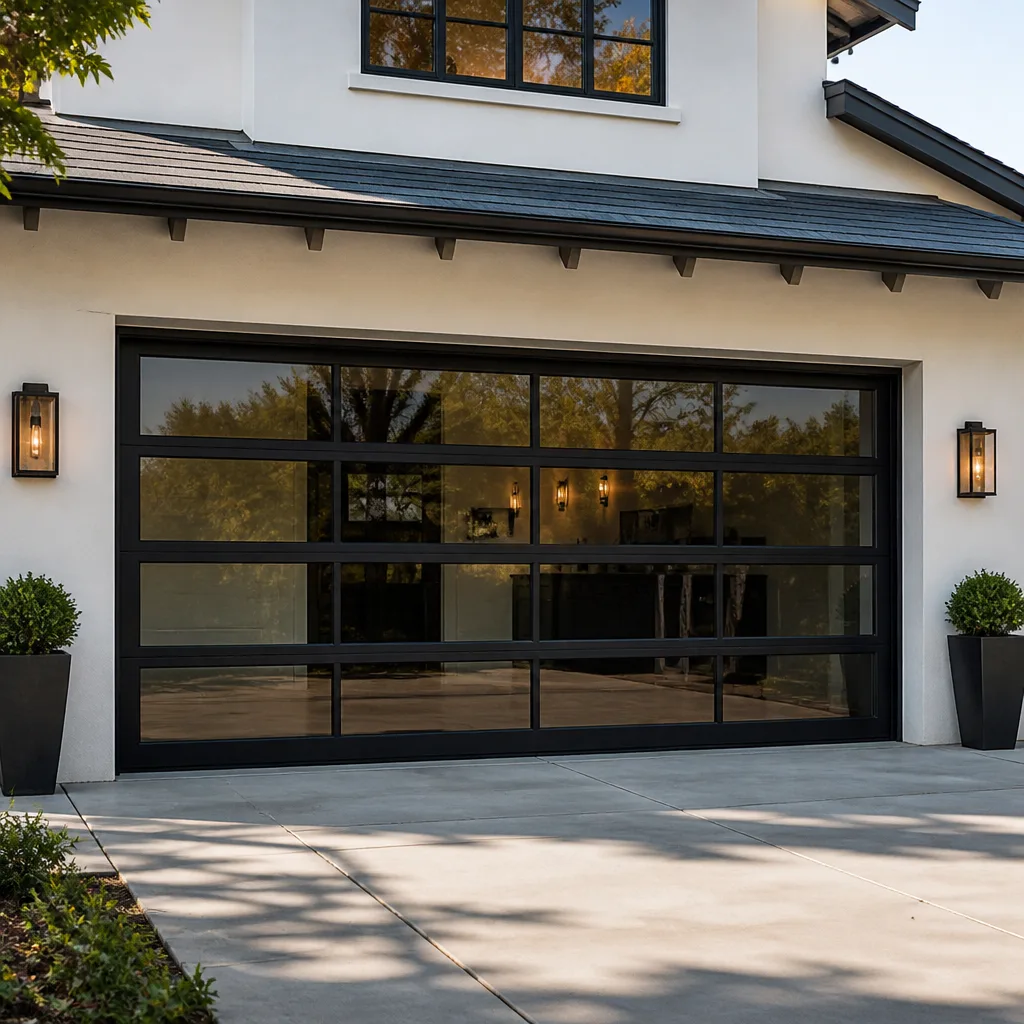 Full-view glass
 LiftMaster openers
 Chamberlain openers
Full 25-point door and opener safety check with every visit - springs, cables, rollers, tracks, and your LiftMaster or Chamberlain opener included
You get a price before we start. It does not change when the pro arrives.
Get your free estimateGarage Door Repair Maintenance Checklist for Newnan Homeowners
Most garage door advice online was written for a dry climate. It talks about dust and winter freeze, then stops. Nobody tells you what a Georgia summer does to a steel door, or how red clay grit works its way into rollers and track. The result is predictable: a door that groans, drags, or quits in July, months after a little attention would have kept it running. We’ve seen it in Newnan enough times to know the pattern. This guide covers monthly, quarterly, and yearly tasks with honest time estimates, the two tests most homeowners skip, the lubrication that actually holds up here, and the red flags that mean you should put down the can and call a specialist.
Quick Answer
Check and lubricate your door’s springs, hinges, and rollers every three months, test balance and force resistance twice a year, and inspect weatherstripping and the bottom seal each spring before the heat sets in. Most of Newnan’s failures come from skipped lubrication, misaligned tracks, and worn bottom seals rather than sudden catastrophic wear.
Styles & brands we work with
- Raised-panel steel
- Carriage house
- Modern flush
- Full-view glass
- LiftMaster openers
- Chamberlain openers
Table of Contents
- Why a Newnan Garage Door Ages Differently
- The Monthly 10-Minute Walkaround
- The Quarterly Lubrication Routine
- The Balance Test Most Homeowners Skip
- The Force-Resistance Test Explained
- Weatherstripping and Bottom Seal Inspection
- The Annual Deep Inspection
- Red Flags That Mean Stop and Call
Why a Newnan Garage Door Ages Differently
Garage doors don’t fail in a vacuum. They fail in an environment, and Newnan’s environment is specific. Long, humid summers push moisture into every moving joint. Afternoon sun heats a south- or west-facing door panel to a temperature that expands and contracts the steel repeatedly across a season. Add the red clay dust that settles on driveways and gets tracked onto rollers and tracks, and you have a maintenance profile that differs from what a generic checklist describes.
That combination matters because humidity and grit do opposite things to the same system. Humidity makes grease absorb moisture and lose its film. Clay dust turns that sticky film into a grinding paste. Together they accelerate wear on rollers, hinges, and bearings, and the wear shows up faster than the calendar would suggest.
Here’s what that means in practice:
- Weatherstripping degrades faster. Repeated heat cycling softens, stiffens, then cracks the rubber seal along the bottom edge, letting water and pests in.
- Metal expands and contracts. Panels and tracks move a little each summer day, and a track that was square in April can shift by August.
- Clay dust accumulates. Grit on the track rails and in roller channels causes rollers to skid instead of roll, which loads the opener.
- Springs carry more strain. A door that binds slightly from debris or swelling wood can pull harder, and the spring takes that extra load.
None of this means the door is doomed. It means a Newnan homeowner gets more out of a consistent check than a homeowner in a dry climate does, because the checks catch more.
The Monthly 10-Minute Walkaround
A monthly check takes about ten minutes and catches the small stuff before it turns into a repair call. Do it at the same time each month so it becomes habit. You’re looking, listening, and touching, not disassembling anything. If any part of the check turns up a hard problem, stop and read the red flags section before going further.
- Listen before you look. Open and close the door once and just listen. A healthy door is quiet and even. Grinding, squealing, popping, or a door that pauses mid-travel all point to something specific worth tracking down.
- Look at the tracks. Run your hand along each vertical and horizontal track and check for dents, bends, or debris. Tracks should be straight and parallel. A dent the size of a thumbnail can cause a roller to jump.
- Check the rollers. Inspect each roller by eye. Nylon rollers should be smooth and round. Steel rollers should spin freely when nudged. A roller that’s cracked, flat-spotted, or won’t spin needs replacing.
- Look at the hinges. Check the hinge plates for looseness and rust. Loose hinge screws back out over time and cause panel misalignment.
- Inspect the bottom seal. Look for gaps, tears, or a seal that’s flattened and no longer touching the floor. A gap lets water, wind, and insects in.
- Test the safety reverse. Put a roll of paper towels under the door path and close it. The door should reverse on contact. If it doesn’t, that’s an immediate safety concern, not a someday item.
Monthly checks are also your chance to spot anything a Newnan thunderstorm pushed into the track or loosened overnight. Ten minutes a month is far less than a single repair visit.
The Quarterly Lubrication Routine
Lubrication is where most homeowners go wrong, and where the climate matters most. In Georgia’s humidity, a general-purpose oil or a heavy grease attracts dust and holds moisture. The right products are a white lithium grease or a silicone-based spray for metal-to-metal contact and a dedicated garage door lubricant for the moving parts. Avoid anything labeled “penetrating oil” for long-term use, because it evaporates and leaves the joint dry.
Plan about 20 minutes for a quarterly lubrication pass. Do it with the door closed and the opener disconnected so you’re not fighting the motor.
- Wipe the track rails and roller channels with a dry cloth to remove clay dust and grit first.
- Apply lubricant to the spring coils (torsion spring if you have one, or extension springs), but only from the outside of the coil. Don’t disassemble or put your hands inside tensioned springs.
- Lubricate each hinge at the pivot point with a small amount of white lithium grease.
- Apply a light coat to the roller bearings, not the roller surface.
- Lubricate the opener rail and the trolley, and the lock mechanism if you have a manual lock.
- Open and close the door several times to work the lubricant into the joints.
Skip the springs and you’ll hear it. A dry torsion spring will pop and creak, and the noise gets worse, not better. If you’re unsure whether the spring noise is lubrication or wear, that’s where garage door spring repair expertise matters. A worn spring needs replacement, not more grease.
The Balance Test Most Homeowners Skip
Here’s the test almost nobody runs, and it’s the one that tells you the most about spring health. A balanced door should stay put partway open. If it drops or races up, the springs are out of adjustment or worn, and the opener is doing work it shouldn’t.
The test takes about two minutes and doesn’t require tools. You do need to disconnect the opener first, either by pulling the release cord or by using the manual release. With the door disconnected, lift it to about halfway and let go.
- Door stays in place: balanced, springs are healthy.
- Door drops fast: springs are weak or broken, and the door is heavier than it should feel.
- Door flies up: springs are over-tensioned, which is a professional adjustment, not a homeowner one.
If the door drops or flies up, don’t try to correct it by adjusting the springs yourself. Torsion springs are under enormous tension, and improper adjustment is one of the most common causes of serious garage door injuries. This is the point where you call a specialist who handles garage door repair on a regular basis. Our technicians have up to 15 years of experience with spring work, and they’ll test balance the same way you just did, then adjust or replace the spring.
Run the balance test at the start of spring and again at the end of summer. Two checks a year, and you’ll catch spring problems before they leave you with a door that won’t open on a work morning.
The Force-Resistance Test Explained
The second test most homeowners skip is the force-resistance check, and it’s the one that catches opener problems early. It tests whether the opener is applying the right amount of force to move the door. Too much force is a safety issue. Too little means the door stalls.
Reconnect the opener after the balance test. Then, with the door closed, place a small object under the door path and press the close button. The door should reverse on contact with the object. If it doesn’t, the opener’s force settings are too high. If the door stalls and reverses before it reaches the object, the force is too low, or the door itself is binding.
Where this gets interesting with modern openers is the electronic side. A garage door opener repair call is often a force-setting or sensor issue rather than a mechanical failure. LiftMaster and Chamberlain openers, for example, use built-in force adjustment that can drift over time. If your door reverses for no obvious reason or won’t close, the fix is often a sensor alignment or a force setting, not a new opener.
Do this test at the same time as the balance test, twice a year. If the door fails, don’t raise the force setting to force it closed. That defeats the safety reverse and creates a real hazard. Call a specialist to diagnose it.
Weatherstripping and Bottom Seal Inspection
Newnan’s summer heat cycling does a number on rubber. The bottom seal on your door sits in full sun, flexes on every open and close, and gets soaked in afternoon storms. That cycle adds up, and the seal is the cheapest part to replace and the one with the biggest impact on your home.
Inspect the bottom seal once a quarter and look for these signs:
- Gaps at the floor. Close the door and look for light coming under it. Gaps let water and pests in and waste energy.
- Cracks or tears. Look along the seal’s length where it meets the panel and the floor.
- Flattened or missing sections. A seal that’s lost its bounce is no longer sealing.
- Weatherstripping peeling from the frame. Look at the side and top weatherstripping and check that it’s still attached and flexible.
A bottom seal replacement is a straightforward job, but it’s one many homeowners put off until water damage shows up on the garage floor. In Newnan, that put-off shows up faster because the heat is harder on rubber than a cooler climate would be. If the seal is failing, this is a good time to ask about it during a repair visit. One call covers it, and it’s a small addition to a larger job.
The Annual Deep Inspection
Once a year, usually in early spring before the heat builds, take a longer look. This is the check that catches the slow problems the monthly walkaround misses. Set aside 45 minutes and work through the list methodically.
- Run the balance test and the force test before you do anything else.
- Inspect the panels. Look for dents, rust spots, and panel separation. Rust on a Clopay or Raynor steel door is worth catching early, because a spot the size of a dime can spread through a season of humidity.
- Examine the springs up close. Look for gaps in the coil, sagging, or a broken spring. Never touch a torsion spring, but visual inspection from a safe distance is fine.
- Check the track alignment. The vertical and horizontal tracks should be parallel, plumb, and straight. Look for loose lag bolts and gaps between the track and the door frame.
- Check the opener. Look at the drive belt or chain for wear, check the safety sensor lenses for dust, and test the wall control.
- Clean and re-lubricate after the inspection is done.
Use the annual inspection to look at the small stuff too: a Craftsman opener that’s starting to run louder than it used to, a wall button that sticks, or a safety sensor that’s been nudged out of alignment. These are cheap to address and easy to ignore.
Red Flags That Mean Stop and Call
Some problems aren’t DIY. Knowing the difference is the whole point of inspection. If you see any of the following during your check, stop and call a specialist. These are the failures where continuing to operate the door can make things worse or create a real hazard.
- A broken spring. If you see a gap in the torsion spring coil or a dangling extension spring, stop. Don’t try to open the door; call for spring repair.
- A door that’s come off its track. A door hanging off the track is under load and dangerous to correct. Leave it closed and call.
- A door that drops on the balance test. Weak or broken springs mean the opener is doing the lifting. That’s a repair, not a lubrication issue.
- The safety reverse failing. A door that won’t reverse on contact is a safety concern. Don’t use the door until it’s fixed.
- Visible damage to the torsion spring. Rust pitting, cracks, or a sagging torsion bar are all reasons to call.
- An opener that’s making grinding or burning smells. That can mean a stripped gear or a motor issue, and continuing to run it can damage the opener further.
Any of these is also an emergency situation if the door is your only way in or out of the house, or if the door is stuck open and leaving your property exposed. That’s when you call for garage door repair on an urgent basis, and we can be back in service today in many cases.
Common Mistakes to Avoid
- Using WD-40 as a lubricant. It’s a great name, not a great door lubricant. It penetrates and evaporates, so the moving parts dry out again faster and attract more grit. Use a dedicated garage door lubricant or white lithium grease instead.
- Skipping the test with the door disconnected. Testing balance with the opener engaged tells you nothing. Disconnect first, or you’re measuring the opener, not the door.
- Adjusting torsion springs yourself. This is the biggest mistake on this list. Torsion springs are under extreme tension and require the right tools and training. Leave it to a specialist.
- Greasing the entire track rail. A little lubricant on the moving parts is good. Coat the whole track and it becomes a dust magnet in Newnan’s clay-dust environment.
- Ignoring the bottom seal through summer. A cracked seal is cheap to replace and expensive to ignore. Water, pests, and heat loss all come through the gap.
- Forcing a binding door closed. If the door stalls, forcing it can crack a panel or damage the opener. Stop and diagnose.
- Raising the force setting to fix a reversing door. The force setting is a safety adjustment. Turning it up to fix a symptom is exactly the wrong move.
See the difference
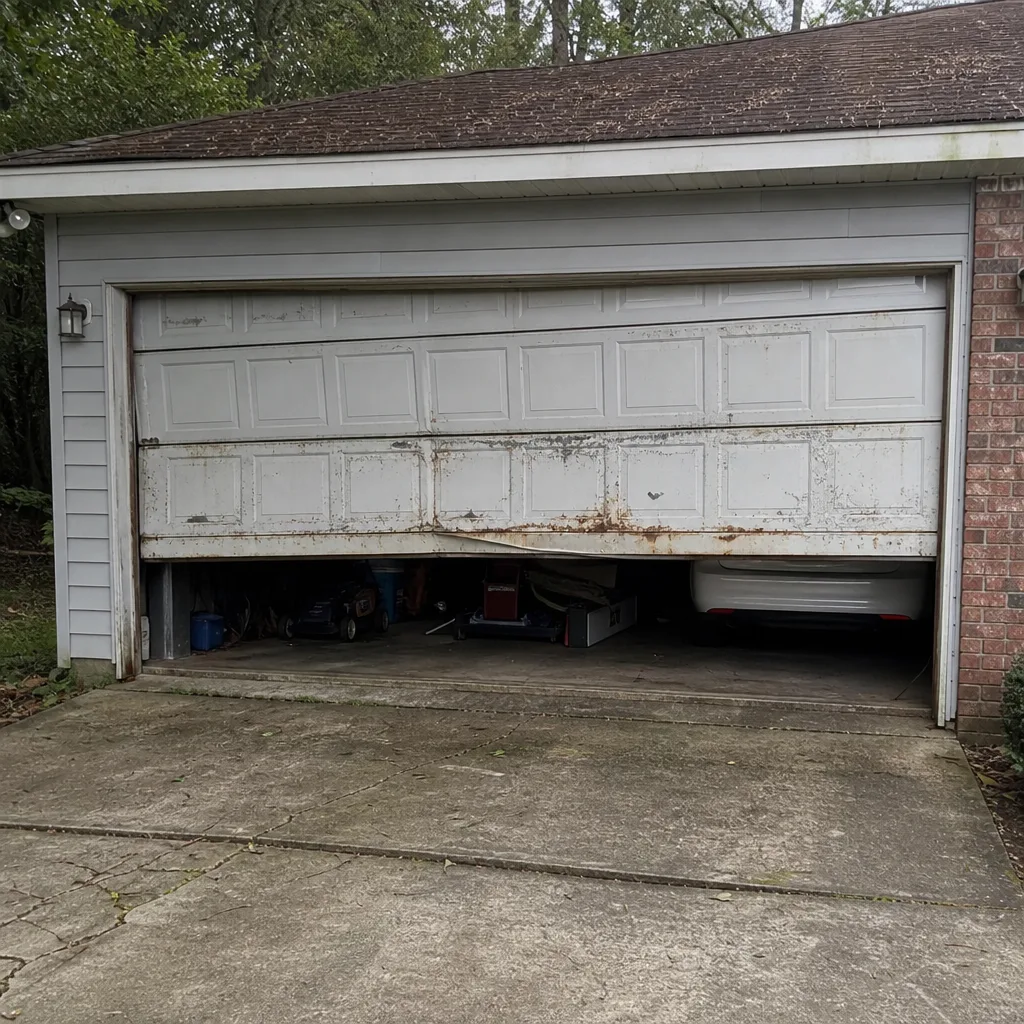 Before
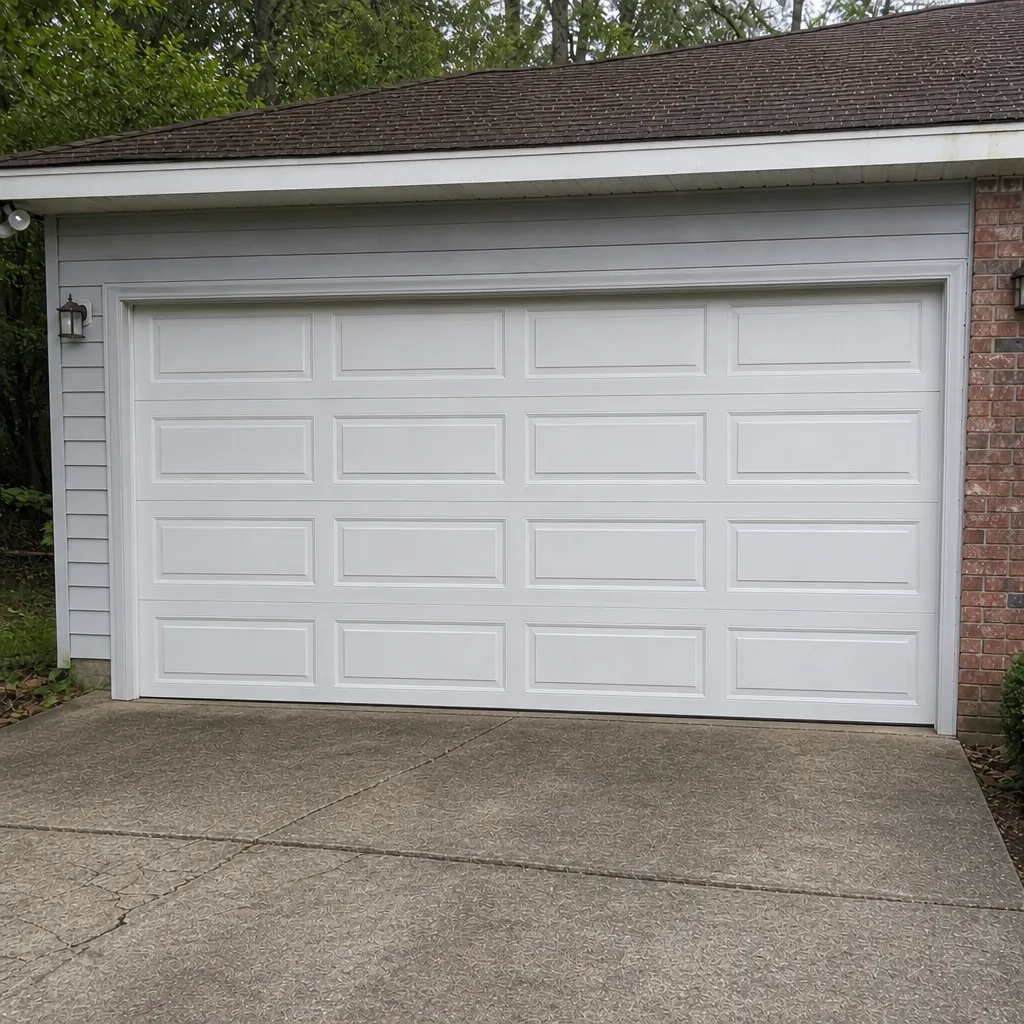 After
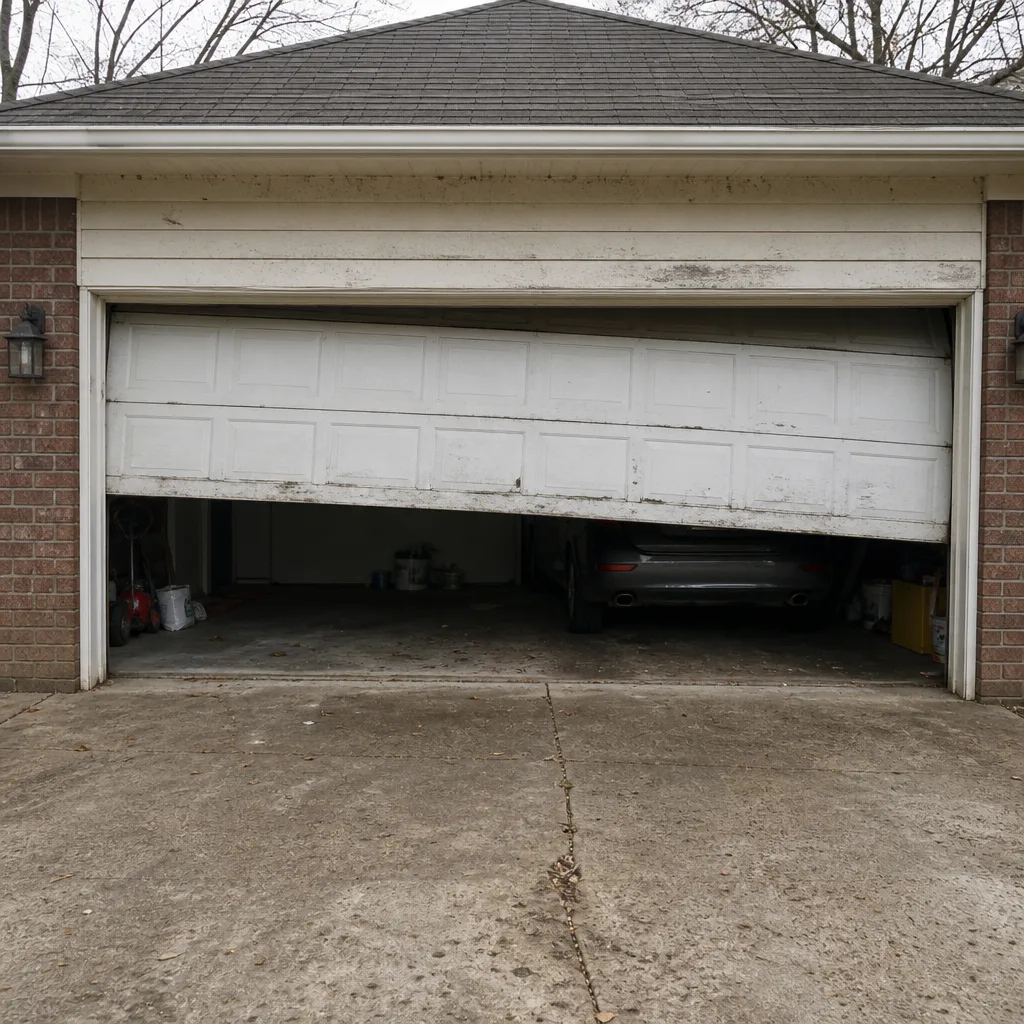 Before
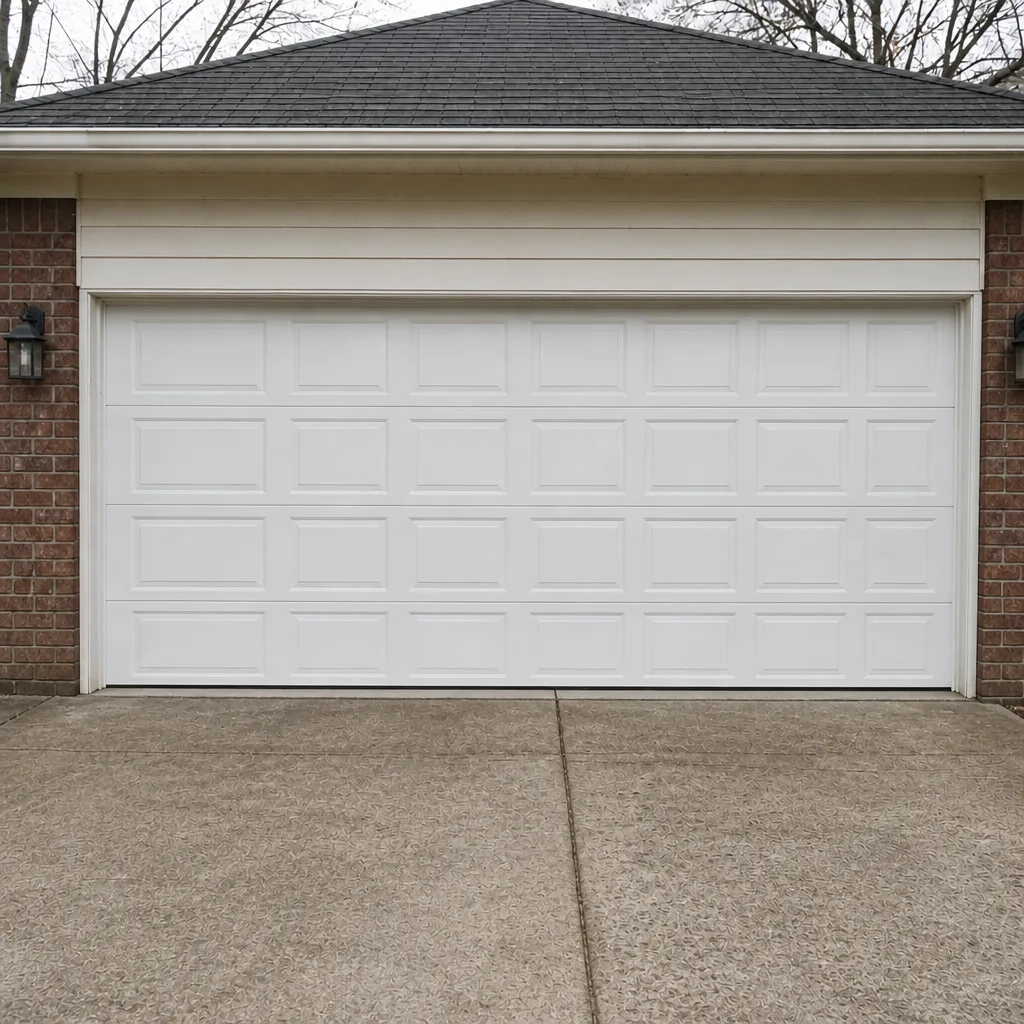 After
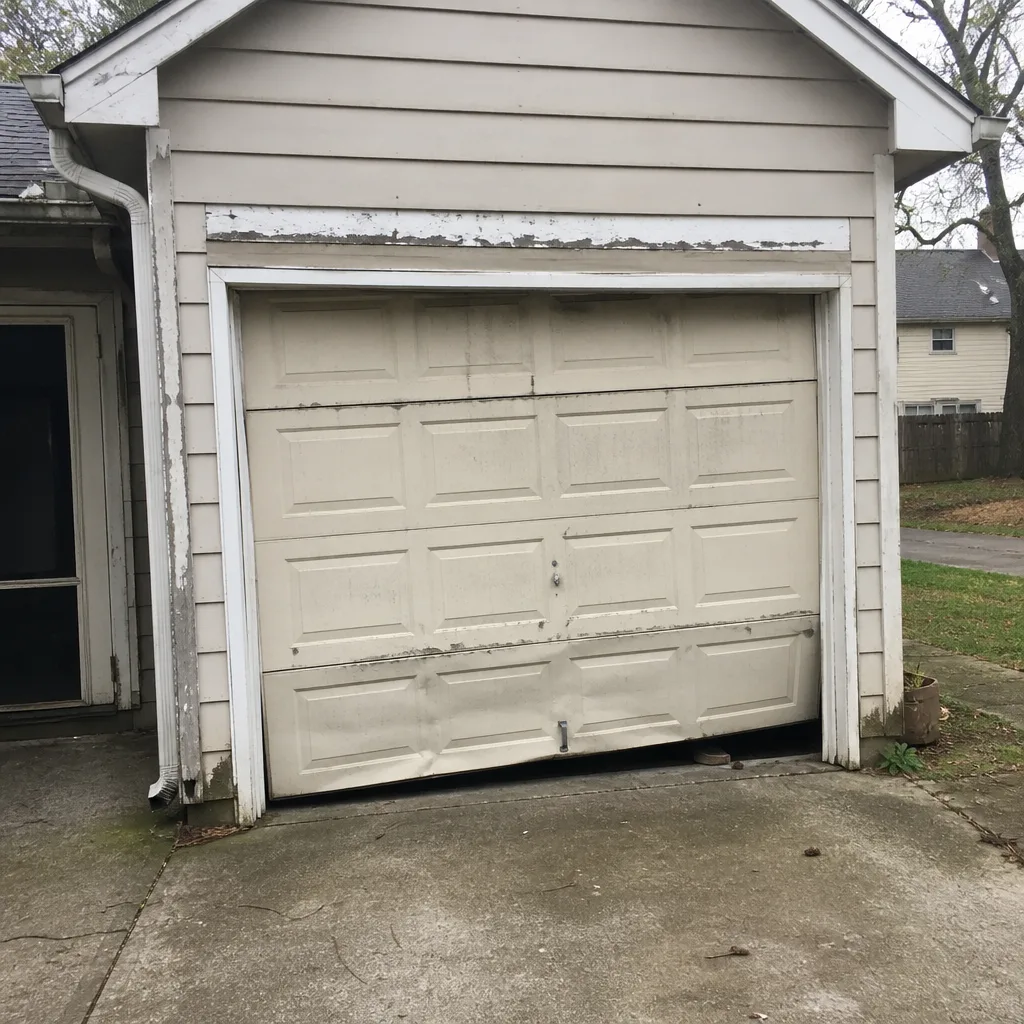 Before
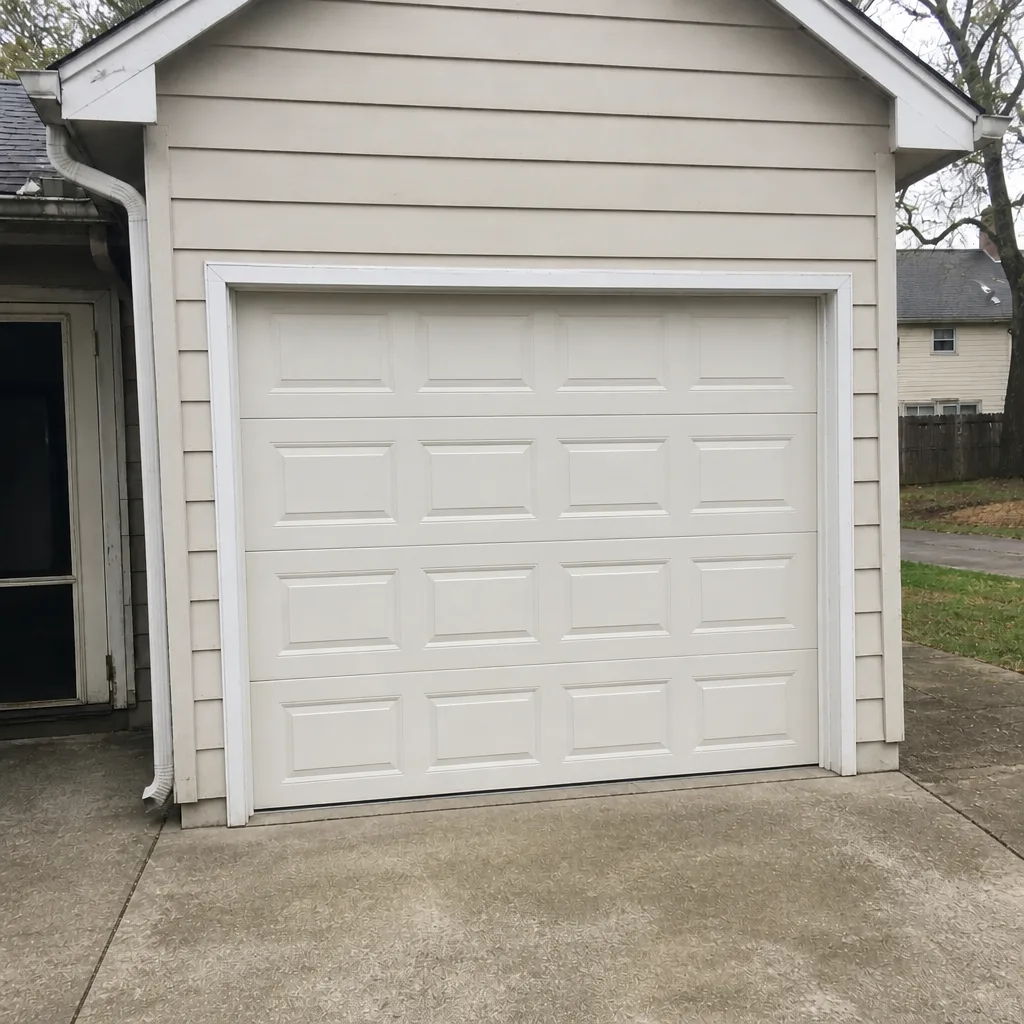 After
When to Call a Professional
Some tasks belong on a maintenance checklist. Others belong to a specialist. Call a professional if the balance test shows a door that drops or flies up, if you hear grinding or popping that doesn’t go away after lubrication, if the door has come off its track, if you see a broken or rusted spring, or if the safety reverse fails. Also call if the door has been making noise for a while and the opener seems to be working harder than it used to, because that pattern usually points to a spring or track issue that won’t fix itself. If you’re in Newnan and you’ve hit one of these, we can help. Newnan Garage Door Repair Pros offers free estimates in Newnan on repair and installation work. Call (888) 848-9034. We answer 24/7, and fast dispatch runs from 7am to 7pm, Sunday through Friday.
Frequently Asked Questions
Check and lubricate moving parts every three months, run the balance and force tests twice a year, and do a full inspection annually in early spring before the heat sets in. The quarterly lubrication pass matters more here than in a dry climate because humidity and red clay dust wear moving parts faster. Ten minutes a month plus a longer pass each quarter keeps most doors in good shape.
A white lithium grease or a garage-door-specific lubricant works best in Georgia’s humidity, while general-purpose oils and penetrating sprays dry out and attract dust. Apply a light coat to hinges, roller bearings, and springs from the outside of the coil only. Wipe the track rails clean first, because a wet lubricant applied over clay grit turns into a grinding paste.
Yes. Disconnect the opener, lift the door to about halfway, and let go. A balanced door stays put, a weak-spring door drops, and an over-tensioned door flies up. The test itself is safe. The adjustment that follows is not a homeowner task, because torsion springs are under extreme tension. If the door fails the test, call a specialist.
A door that reverses for no obvious reason usually has a safety sensor misalignment, a force setting that’s drifted, or a door that’s binding just enough to trip the opener’s safety feature. Check the sensor lenses for dust and alignment first. If that doesn’t solve it, call for garage door opener repair rather than raising the force setting, because that setting is a safety control. Call (888) 848-9034 for an exact quote on the repair. Estimates are free.
The useful life of a spring depends on how often the door cycles and whether it stays lubricated, not on the calendar. In our humidity, an unmaintained spring wears noticeably faster than a lubricated one. A quarterly lubrication pass and a twice-yearly balance test are the best things you can do to get the most out of a spring before it needs replacement.
Leave the door where it is and call a specialist. A door off the track is under load and dangerous to correct, and forcing it can crack a panel or damage the opener. If the door is stuck open, call for emergency service. In Newnan, call (888) 848-9034. We answer 24/7. A call outside dispatch hours is booked into the next opening, Sunday through Friday, 7am to 7pm.
The Bottom Line
A garage door is a machine, and machines respond to attention. The checklist here is designed around what actually goes wrong in Newnan: humidity that wears out seals and lubricant, red clay dust that gets into rollers and track, and a long summer that cycles metal parts day after day. Ten minutes a month, a 20-minute quarterly lubrication pass, two tests a year, and one honest annual inspection will catch most of it. The rest is knowing when to stop and call a specialist. If you’ve hit a red flag, don’t wait. Call (888) 848-9034 for a free estimate. We work on LiftMaster, Chamberlain, Craftsman, Raynor, and the rest of the brands already in your garage, and one call covers repair, springs, openers, and full installation.
For a wider look at how we handle the full range of local garage door work, see Newnan Garage Door Repair Pros.
Written by the team at Newnan Garage Door Repair Pros.