
Last updated November 23, 2026
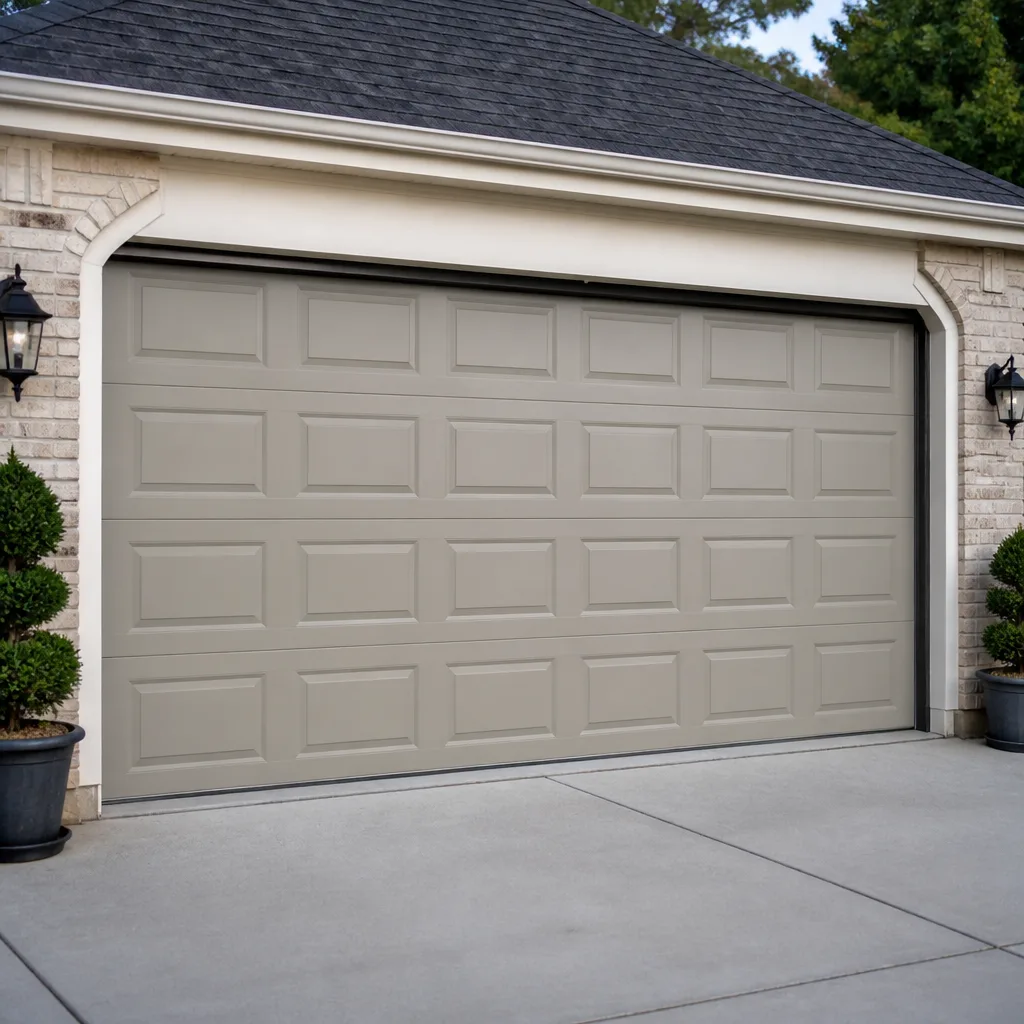 Raised-panel steel
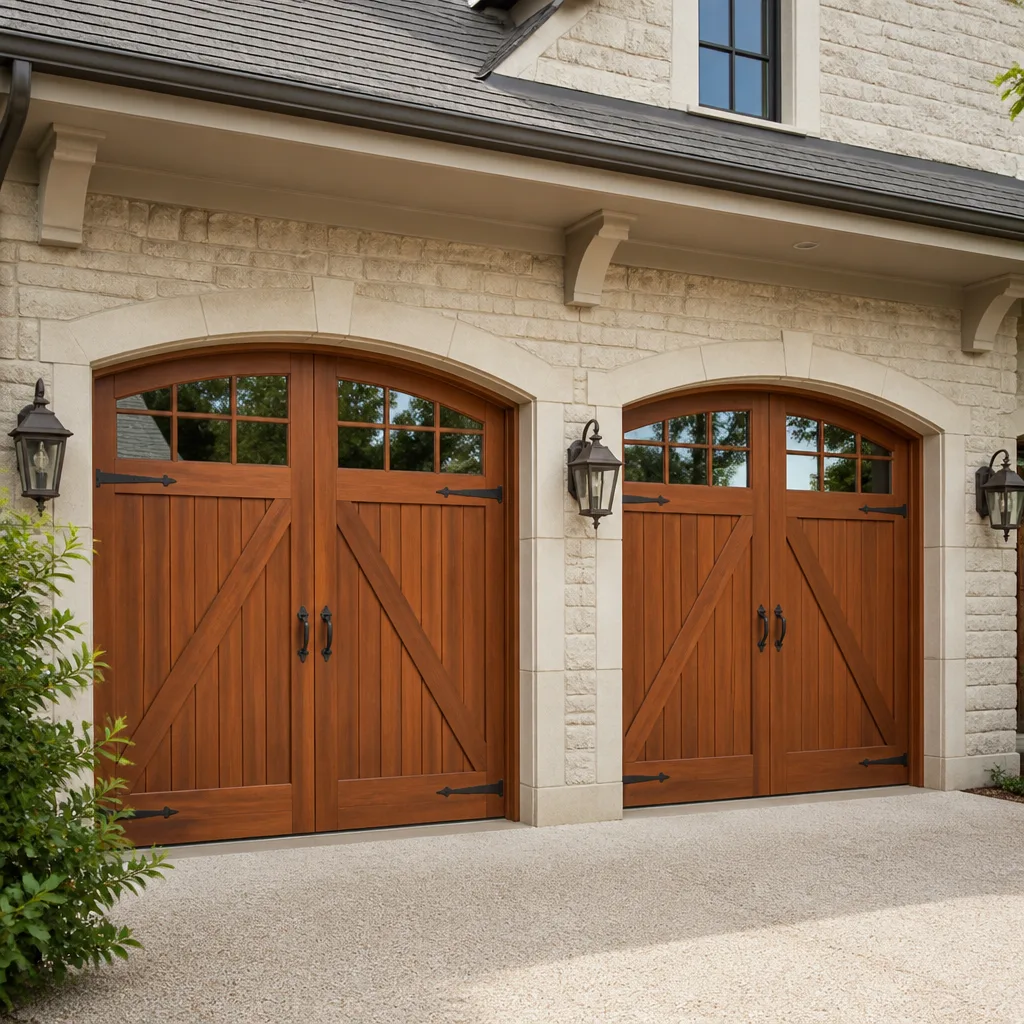 Carriage house
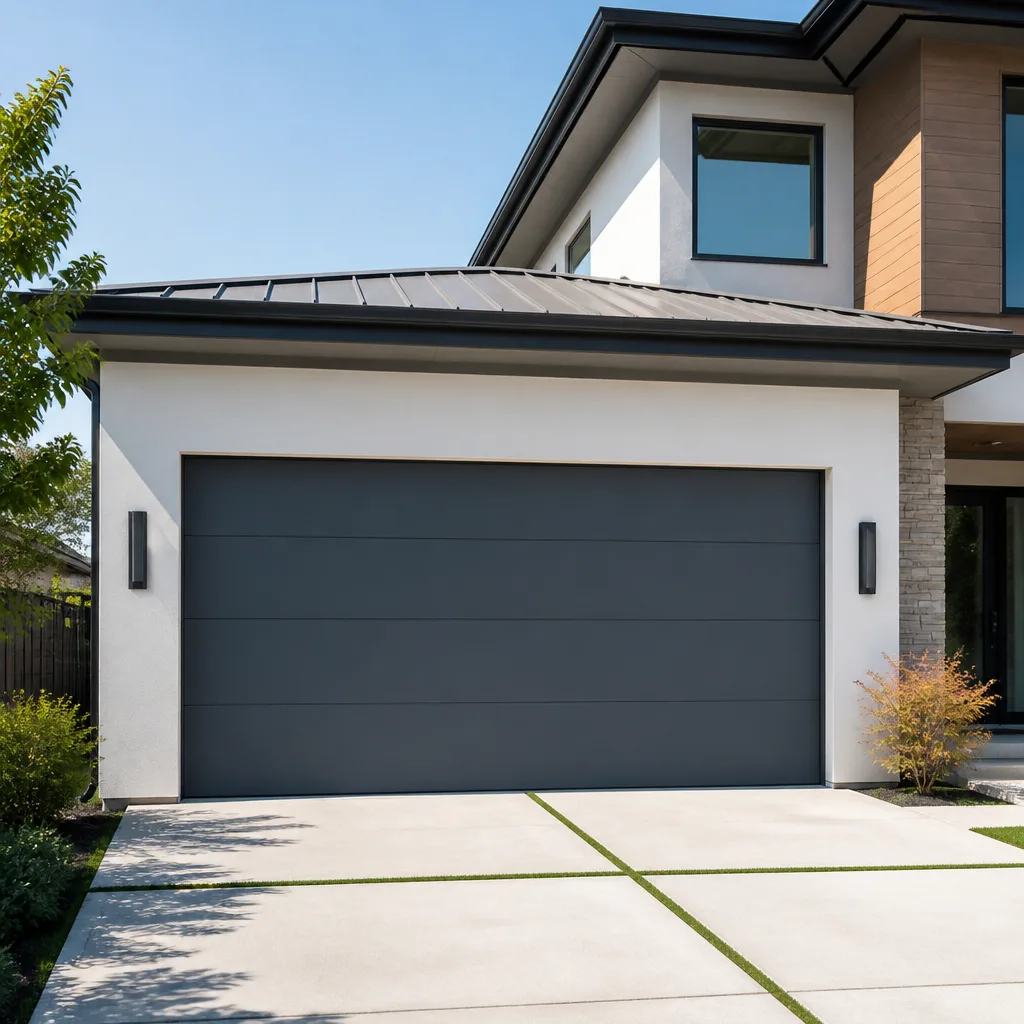 Modern flush
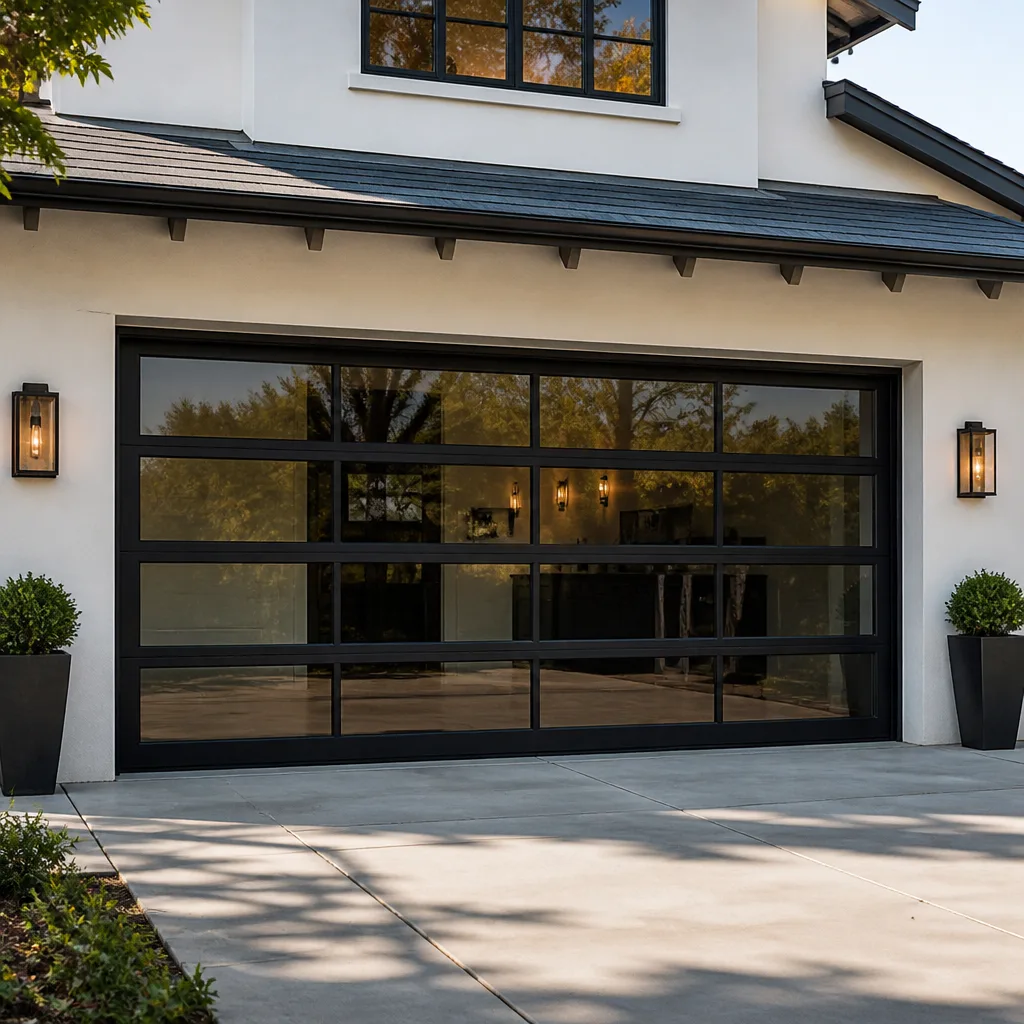 Full-view glass
 LiftMaster openers
 Chamberlain openers
Full 25-point door and opener safety check with every visit - springs, cables, rollers, tracks, and your LiftMaster or Chamberlain opener included
You get a price before we start. It does not change when the pro arrives.
Get your free estimateGarage Door Warning Signs: A Newnan Homeowner’s Reference Guide
A garage door that takes three seconds longer to open than it did six months ago isn’t “just getting older.” It’s showing a measurable performance decline, and that decline points to a specific mechanical problem a technician can usually identify in minutes. Most garage door failures in Newnan announce themselves weeks in advance through sounds, movement patterns, and small visual changes that homeowners have learned to tune out. This guide teaches you to read those signals so a minor issue doesn’t become a door that won’t open on a Monday morning, with a car trapped inside and a schedule already in pieces.
Quick Answer
A garage door that is trying to tell you something usually does it in one of four ways: an unusual sound, a change in how it moves, a visible wear sign on cables, springs or rollers, or a failed safety test. Grinding, popping, scraping or rattling each point to a different component and carry a different urgency. Any sign involving a frayed cable, a gap in a spring, or a door that reverses on its own should stop you from using the door until a trained technician has looked at it.
Styles & brands we work with
- Raised-panel steel
- Carriage house
- Modern flush
- Full-view glass
- LiftMaster openers
- Chamberlain openers
Table of Contents
- What Do the Sounds Coming From Your Garage Door Mean?
- What Do Changes in Door Movement Tell You?
- What Can You Safely Check Yourself?
- The Two Functional Tests Every Homeowner Should Run
- Which Warning Signs Are “This Week” and Which Are “Stop Now”?
- Why Newnan’s Weather Puts Extra Stress on Your Door
- Brand-Specific Quirks Worth Knowing
- A Simple Monthly Walk-Around
What Do the Sounds Coming From Your Garage Door Mean?
Sound is the earliest and most reliable warning your door gives you. The trick is that “weird noise” covers four distinct problems, and each one points to different hardware with a different urgency level. Here’s how we break it down.
Grinding: gear and sprocket
A grinding or growling sound that comes from the ceiling unit, not the door itself, usually means the opener’s internal gear and sprocket are wearing against each other. On chain-drive units, a dry or worn chain can make a similar noise. In our experience this is rarely an emergency, but it does tend to get worse steadily and eventually strips the gear entirely. That’s a scheduled opener repair, not a call-the-fire-department situation. If the noise is coming from a LiftMaster or Chamberlain unit, a technician can usually tell from the sound whether it’s the gear or the chain before opening the housing.
Popping: spring tension
A sharp pop, especially one that repeats at the same point in the door’s travel, is the sound of a torsion spring. A popping spring is under tension and releasing it in stages, which means the winding is slipping. This one earns a “stop using the door” note, because a torsion spring is the most dangerous component in the entire system and it fails with sudden force. If you hear popping, call garage door spring repair before you run the opener again.
Scraping: track alignment
Scraping or squealing that seems to follow the door’s edges points to a roller riding against the side of a bent track. It might be a single knocked roller, a misaligned vertical section, or a hinge that has worked loose. Scraping wears down the roller and the track together, and it often leads to a door that comes off track entirely. This is a schedule-it-this-week signal, not a same-hour emergency.
Rattling: loose hardware
Rattling is the mildest sound on the list. It usually traces back to loose hinge bolts, a slack chain on a chain-drive opener, or rollers with worn bearings. Owners of older Craftsman units frequently hear a light rattle from the chain that can be silenced with proper tensioning. The exception is a rattle that started suddenly and comes with noticeable door vibration. A door that shakes hard enough to rattle its own hardware is transferring stress into the springs and opener, and reverse-safety could be compromised.
What Do Changes in Door Movement Tell You?
Movement tells stories the door can’t say out loud. The four patterns below cover almost everything you’ll see, and each one points to a specific mechanical cause.
Sagging on one side
If one corner of the door sits visibly lower than the other when closed, you’re usually looking at either a broken or overstretched spring on one side (on extension-spring doors) or a failing torsion spring that no longer holds its balance. You may also see a bent cable. Sagging is not cosmetic. A door that hangs unevenly puts uneven load on the opener and the tracks, and it accelerates the wear on every rolling component. On a Newnan door that faces the sun through much of the afternoon, heat can contribute to a subtle warp, but sagging is nearly always a spring or cable problem, not a shape problem.
Reversing before fully closing
A door that goes down a foot and goes back up, or one that reverses at random points, is usually failing its own safety logic. That could be an obstruction in the photo-eye path, a misaligned safety sensor, or a door that thinks it has hit something. It’s also how a bound track or worn roller can present, because the opener reads the friction as an obstruction. When your door does this, first check whether something small (a leaf, a piece of yard debris, a light reflection) is blocking the photo eyes. If the reversal continues with a clear path, the opener or the door itself needs attention.
Slow speed changes
Garage doors don’t usually slow down “just because.” A door that starts its lift with a long hesitation, or that loses speed in the middle of travel, is telling you the opener is working harder than it should. The common culprits are a worn opener gear, a chain or belt out of adjustment, or springs that are losing their lift. Slow speed on a belt-drive Genie feels different from slow speed on a torsion-spring door, and a technician can tell the difference within a few seconds of watching it cycle.
Jerky movement
A door that stutters, shudders or hitches as it moves is telling you something is binding. It could be a dry roller, a bent track, a hinge that is pulling loose, or a spring that is losing tension. Jerky movement is also the stage at which a door can come off track entirely, which pushes it from a repair to a safety conversation. Any jerky motion gets a call to a garage door specialist.
If any of these patterns show up alongside sound issues, that’s your cue to book garage door repair before the door stops responding to the opener at all.
What Can You Safely Check Yourself?
There’s a safe set of inspections every homeowner can do without touching anything dangerous. The rule is simple: look, don’t reach. Springs, cables under tension, and the opener itself are off-limits for DIY once anything looks wrong.
Cable fraying
Look at the vertical cables that run from the bottom corners of the door up to the drum or the extension spring. You’re checking for three things: broken strands sticking out like a brush, rust that has eaten into the metal, or the cable riding off its drum. A frayed cable is a stop-now sign. Cables are under extreme tension, and a snap can whip the cable with force. Do not try to replace it yourself.
Spring gap formation
On a torsion spring above the door, look along the coil for a visible gap or a section where the coil has separated. On extension springs (mounted along the horizontal tracks), check for a stretched section, a spring that has lost its coil shape, or a popped safety cable riding loose. A gap in a torsion spring is a definitive stop-now sign. A sagging extension spring is a schedule-it-this-week sign. Either way, don’t touch the spring while standing on a ladder.
Roller wear
Rollers should roll smoothly and sit firmly in the track. Look for rollers that have flat spots, cracked nylon wheels, or rollers that appear off-center within the track. Worn rollers are a common cause of scraping and jerky movement, and left alone they chew up the track. Roller replacement is work a technician can do in one visit. If you own a door from a Wayne Dalton or Clopay series, exact roller replacement matching the original is straightforward but does require knowing which track profile you have.
Hardware and track
Look along both vertical tracks for bends, dents, or a gap between the roller and the track edge. Check hinges and brackets for missing bolts. Look at the bottom of the door for a damaged bottom seal, which can let water and pests into your garage. All of these are safe to observe. None of them require you to touch the tension system.
What NOT to check yourself
Do not try to adjust a torsion spring, a cable, or the counterbalance system. There is no version of this job that gets safer with a YouTube video. These components are high-tension hardware, and a mistake can cause serious injury in a fraction of a second. If something looks wrong with springs, cables or the counterbalance, stop and call a professional.
The Two Functional Tests Every Homeowner Should Run
Beyond looking and listening, two simple functional tests reveal most opener trouble and safety problems before they cause damage or injury. Run them once a month. They take less than two minutes total.
Test 1: The safety reversal test (photo-eye check)
The safety eye test tells you whether your door would stop if something moved into its path.
- Open the door fully with the wall control.
- Find the two small photo-eye sensors at the base of the tracks on either side of the opening.
- Confirm both have a small light on. If either is dark or flickering, the sensors aren’t seeing each other, and the door is running without safety protection.
- Close the door with the wall control and wave a broomstick or similar object in front of the sensors as the door travels down. The door should reverse immediately.
- If it does not reverse, stop using the door until a technician inspects the opener.
Failing this test is a stop-now sign, because the problem is exactly the kind of safety failure that causes injury to pets, children, or a vehicle. On LiftMaster and Chamberlain openers the sensors are usually paired with an alignment LED that gives a very clear pass/fail, and a technician can almost always resolve a sensor problem in one visit.
Test 2: The wall-button response test
The wall button tells you how the opener’s logic is behaving.
- Press the wall button once to open. Press it again mid-travel. The door should stop and reverse.
- Confirm the door does not move when you press the wall button after the opener has been unplugged, which would indicate a bad logic board or a stuck relay.
- Test your remote and keypad. They should trigger the door without pressing multiple times.
- Test the manual release handle. With the door down and the opener disengaged, the door should lift smoothly by hand.
An opener that ignores the wall button, or one that won’t respond to a fresh remote, points to a logic board or antenna issue that needs real repair. If the manual release feels extremely heavy or the door fights you, that points to a spring issue, not an opener issue. Both are within the scope of garage door opener repair.
Which Warning Signs Are “This Week” and Which Are “Stop Now”?
Not every sign means the same thing. Sorting the list by urgency is the single most useful skill this guide can give you, because it’s the difference between booking a repair and parking the car outside while you wait.
Stop using the door now (same-day call)
- Visible gap or break in a torsion spring. Risk of sudden failure, dangerous force.
- Frayed, cut, or slipped cable. Risk of a snap and serious injury.
- Door reverses on its own with a clear path. Safety system is compromised.
- Door won’t open at all and the opener runs. Possible stripped gear and a jam waiting to happen.
- Door off its track. Do not force it. A door can fall.
These are exactly the situations emergency garage door service is built for. A stuck door isn’t just a scheduling inconvenience; it’s a security gap, because a door that doesn’t close properly leaves the opening to your home exposed.
Schedule it this week
- Sagging on one side. Strain on spring, cable and opener.
- Popping sound at one spot in travel. A spring is losing tension.
- Grinding from the opener. A gear or chain is failing.
- Repeated jerky movement. Binding that could lead to coming off the track.
- Scraping along the edges. A roller or track problem.
Watch and check next cycle
- Light rattling with no other symptoms. Usually loose hardware or a slack chain.
- Worn bottom seal or a ripped gasket. Weather-sealing issue, not urgent, worth fixing.
- A single roller showing wear. No safety concern yet, but worth replacing before it fails.
Why Newnan’s Weather Puts Extra Stress on Your Door
Newnan sits on Georgia’s west side, where summers are long and humid and the temperature swings between seasons are wide. That has real consequences for garage door hardware. The daily expansion and contraction of steel tracks and door panels, driven by hot afternoons and cooler nights, slowly loosens bolts and can shift a track just enough that a roller starts to scrape. Springs also cycle repeatedly through these changes, and the tension load on a torsion spring that sees a wide temperature range runs ever so slightly harder than the same spring in a more stable climate.
Humidity matters too. In Newnan, a garage often runs warmer and damper than the rest of the house, which accelerates rust on cables and rollers. A cable that looks fine in March can start to show orange staining by late July. That’s why an annual inspection of the cable runs is worth doing, and why we always check for hidden corrosion during a spring repair call. Homes closer to the tree canopy, especially in neighborhoods like SummerGrove and White Oak, also see more sap, pollen and leaf debris in the tracks, which is one of the quiet causes of jerky movement.
None of that is a crisis. It’s just the reality of owning a garage door in Georgia. Reading the small signs earlier is what keeps a humid summer from turning into a stuck door in August.
Brand-Specific Quirks Worth Knowing
Not every brand sounds the same when it fails. If you know what you own, you already know which warning signs matter more.
Clopay doors
Clopay sells both door systems and openers, and a worn Clopay panel can develop a specific vibration that shows up as a light rattle in the frame. If your door carries a Clopay badge and rattles at one end, check the hinges and end brackets before assuming the opener is at fault.
Amarr doors
Amarr steel doors are common on newer builds in and around Newnan. On Amarr panels, the most frequent early warning is a slight sag after the second or third summer, because steel panels relax into the heat over time. A sagging Amarr that hasn’t fully warped can usually be brought back into alignment by a technician resetting the cables and hinges.
Craftsman openers
Craftsman chain-drive units are ubiquitous in older Newnan homes. The chain tends to develop slack on its own schedule, and the first warning is a light rattle that grows into a clunk. A slack chain accelerates gear wear, so a quick inspection and tension adjustment saves you from a bigger repair later.
Wayne Dalton doors
Wayne Dalton doors sometimes use proprietary track profiles and roller brackets, which means a mismatched replacement roller can feel “right” for a week and then start scratching. If your door is Wayne Dalton and it’s scraping after any work, the parts match matters more than the labor. We work on the brand already in your garage rather than trying to swap hardware from a different system.
We service these brands alongside LiftMaster, Chamberlain, Genie, and Raynor, which means a technician can usually diagnose what’s happening from the badge on the door and the label on the opener before the truck shows up.
A Simple Monthly Walk-Around
Ten minutes once a month catches nearly every warning sign in this guide. It doesn’t replace a professional service, but it’s the difference between a scheduled repair and a Monday morning crisis.
- Run the door up and down once, listening for any sound that wasn’t there last month.
- Look at the photo-eye lights. Both should be lit and steady.
- Run the safety reversal test with a broomstick. The door should reverse.
- Look at the cables for fraying and the springs for gaps.
- Look at the tracks for dents or a gap where rollers sit.
- Watch the door close. It should sit flat, without one corner lower than the other.
- Pull the manual release with the door closed and lift the door a foot by hand. It should feel balanced, not heavy.
If any step fails, that’s your reminder to book a visit. For a door that’s stopped working entirely, an emergency garage door service call gets you back in service today when the schedule allows. Our technicians have up to 15 years of experience across all five core services, from spring repair to a full new installation, so one call covers it.
Common Mistakes to Avoid
- Ignoring a slow door because “it still opens.” A door that hesitates is working harder than it should, and that extra effort shortens the life of the opener, the springs, and the track. The problem doesn’t stay small in a Newnan summer.
- Replacing a spring without matching the pair. Torsion and extension springs are load-bearing pairs. Replacing one and leaving the other is an invitation to a second breakdown. Matched replacement is standard work for a specialist.
- Spraying lubricant on everything. Applying lubricant to torsion springs, cables or the opener drive gear is not a fix and can cause grime buildup. Rollers, hinges and bearings need the right lubricant, not the wrong one.
- Assuming an odd sound is the opener. Plenty of “opener problems” are actually a track, a roller, or a spring. A specialist can tell the difference before pulling the motor apart.
- Skipping the safety reversal test. The photo-eye system is the single most important safety feature on your door. If it’s failing and you don’t know it, you find out the hard way.
- Forcing a door that’s off track. A door that has come out of its tracks can fall under its own weight. Stop, leave it alone, and call.
- Choosing a generalist to install a new door. Door installation is a measured job that depends on the exact brand and profile. A handyman who installs a Clopay or Amarr system without fitting the track correctly is setting up a repair two summers later.
See the difference
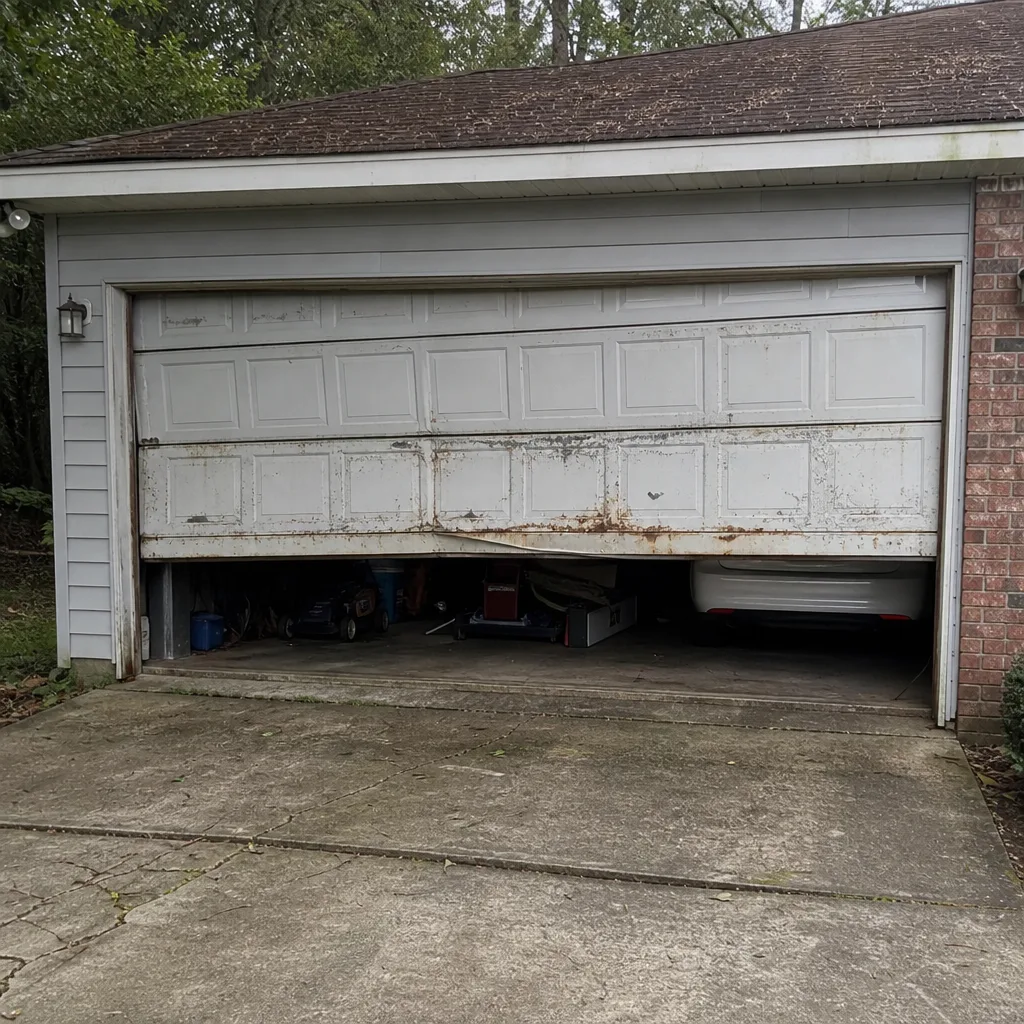 Before
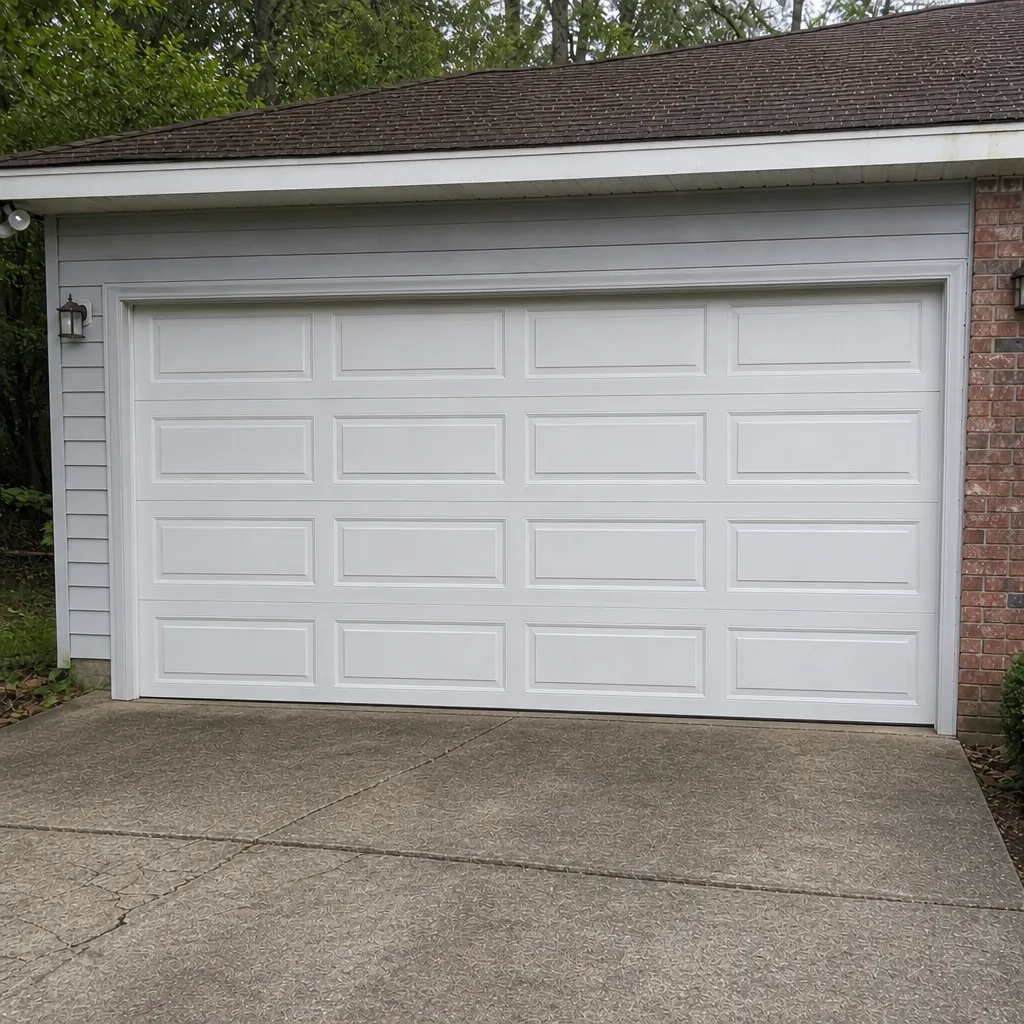 After
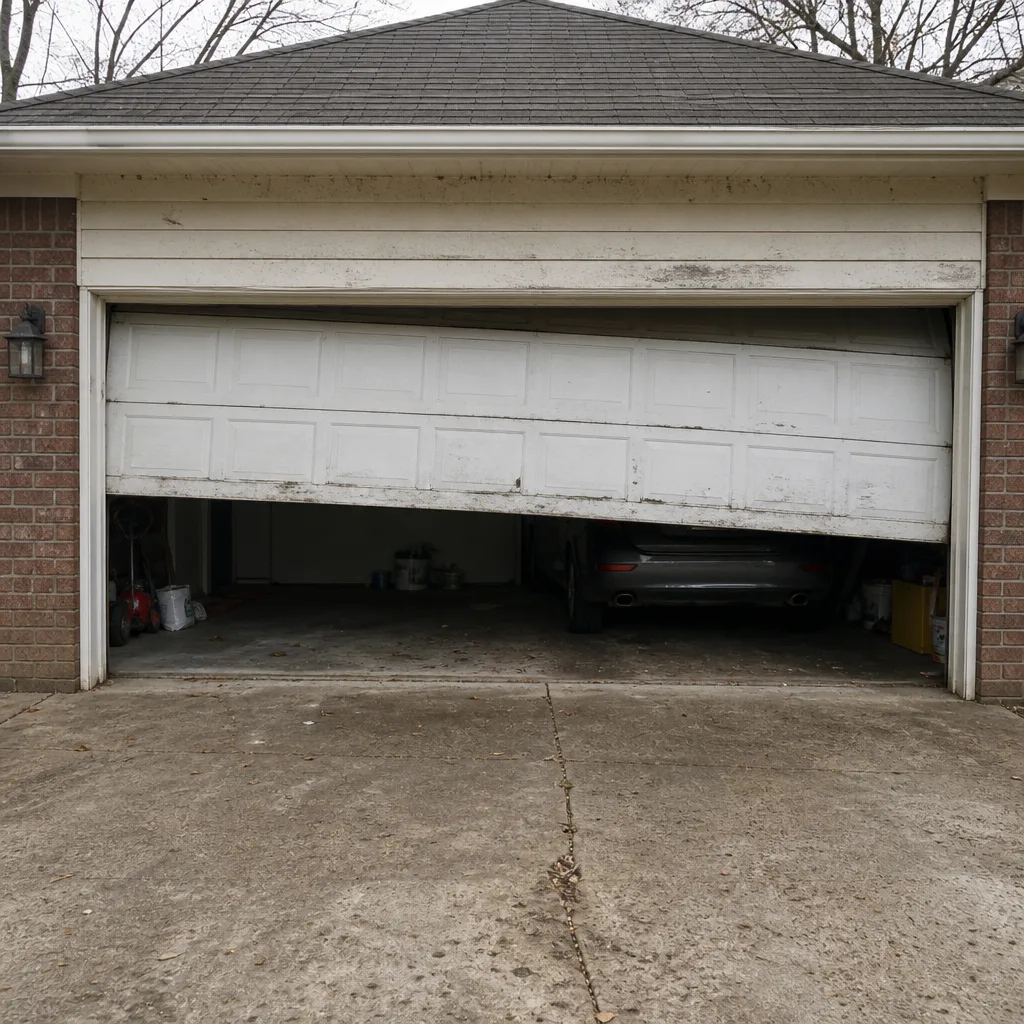 Before
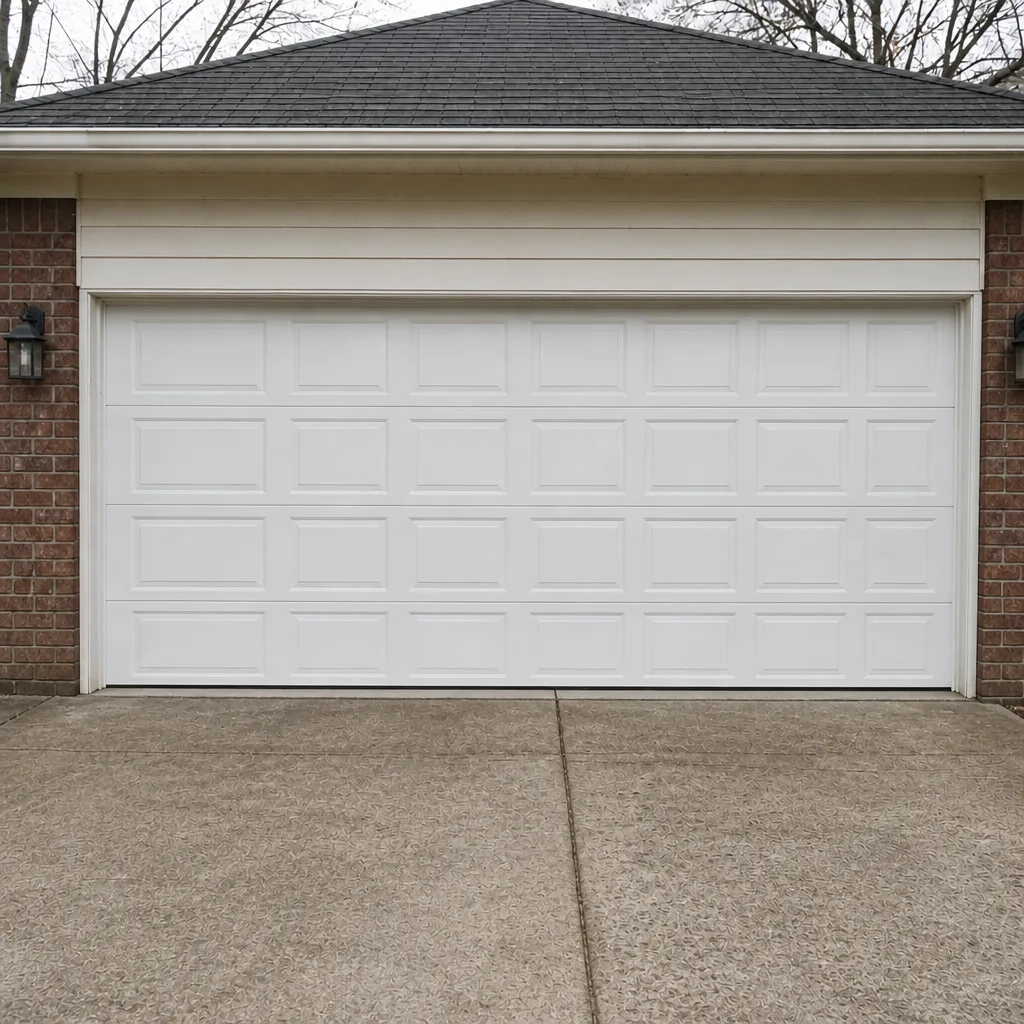 After
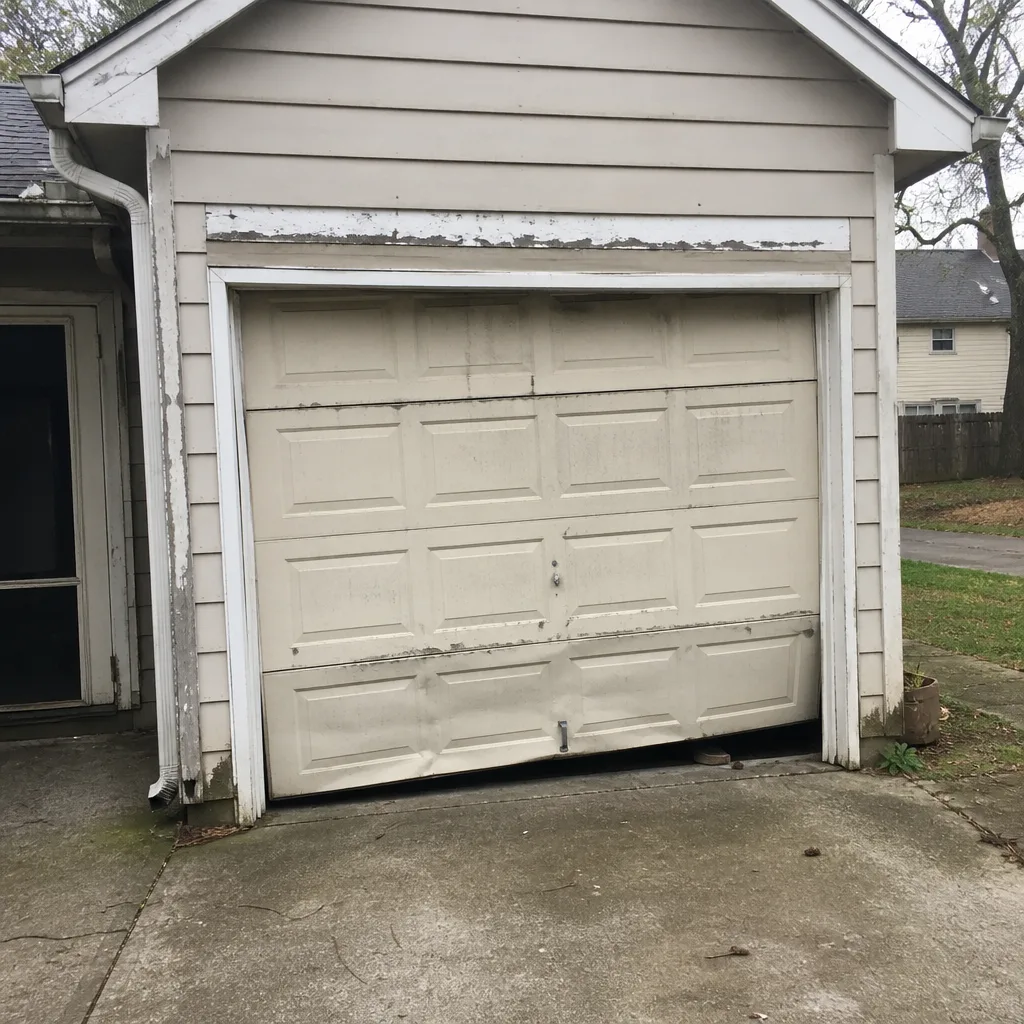 Before
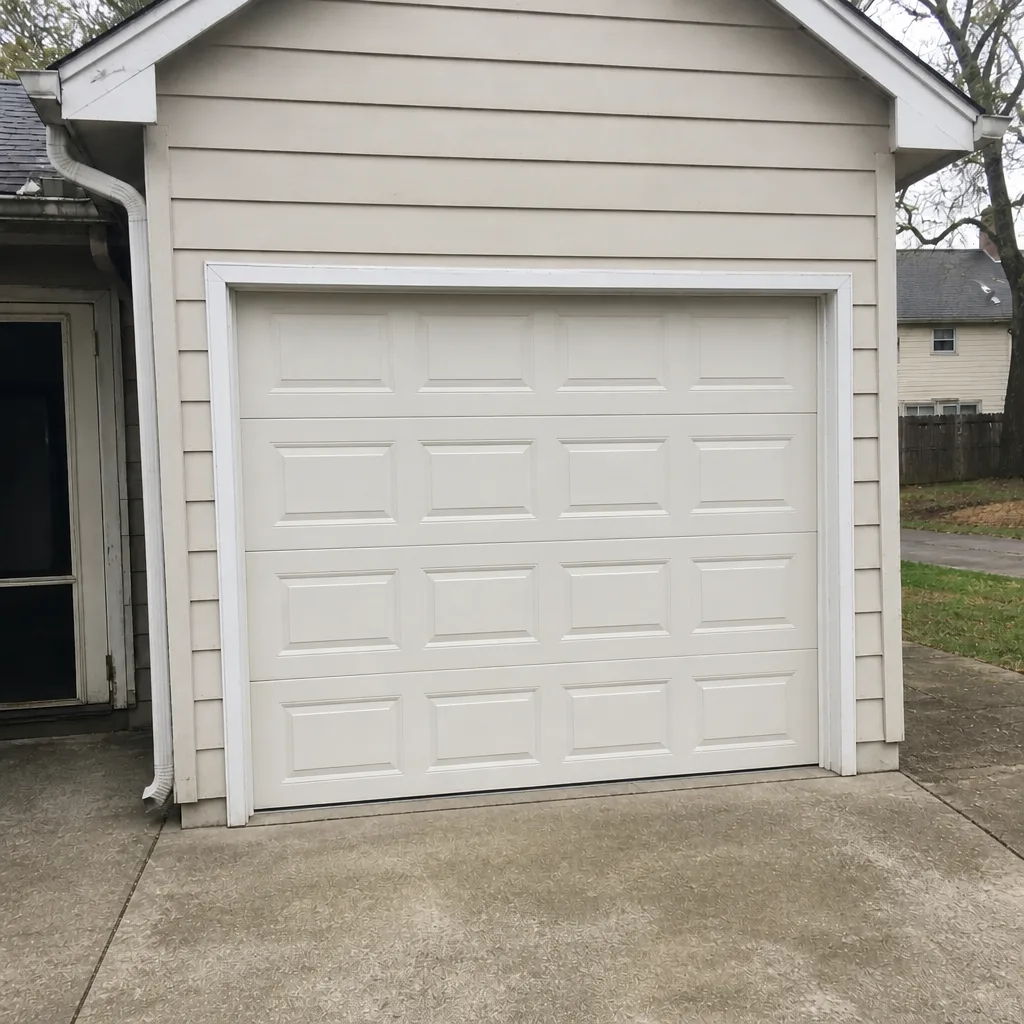 After
When to Call a Professional
Call when the door won’t open at all, when the opener runs but the door doesn’t move, or when the door is visibly off track. Call when you see a gap in a spring, a frayed cable, or a door that reverses on its own. Call if a grinding sound is getting louder week over week, or if the door has started to sag. Those are the calls where a quick diagnosis saves far more than a scheduled maintenance visit would. Newnan Garage Door Repair Pros offers free estimates in Newnan, with a written price agreed before any work starts. Call (888) 848-9034. We answer 24/7. Fast dispatch from 7am to 7pm, Sunday through Friday; we’re closed Saturday, so a call that comes in then gets booked into the next opening.
Frequently Asked Questions
A change in sound is the earliest sign, usually a new grinding, popping, scraping or rattling that wasn’t there a month ago. Sound shows up before the door visibly fails, which is why a monthly listen is such an efficient check. If you hear something new, call (888) 848-9034 for a free estimate.
No. A popping spring is losing tension and is under dangerous load, and a torsion spring failure is the most hazardous kind of garage door failure. Stop using the door and call a specialist immediately. Call (888) 848-9034 for exact pricing before any work starts.
Spring repair typically runs $180 to $340 per spring, and a matched pair is generally replaced together. Prices vary with the door’s size, the spring’s rated life, and the brand on the system, so the written estimate sets the final price. We quote and agree before any work begins. Call (888) 848-9034 for a free estimate.
Often yes. Reversal problems usually trace back to a misaligned photo-eye, an obstruction in the path, or a logic issue in the opener, and many are resolved in one visit. Call (888) 848-9034. We answer 24/7, with fast dispatch from 7am to 7pm, Sunday through Friday.
Grinding comes from the opener unit above the door and usually points to a worn gear or chain. Scraping comes from the door’s edges and points to a track, roller or hinge problem. They’re different repairs, and mixing them up sends you down the wrong path. A specialist can tell the difference in a few seconds.
Not without your agreement. We quote based on what we see, agree the price in writing with you before any work starts, and don’t change it afterward. If the job turns out to need more than the original estimate suggests, we come back to you with the change first. Call (888) 848-9034 to schedule a free estimate.
The Bottom Line
A garage door failure is almost never sudden. It’s a story that runs weeks ahead of the moment the door stops working, told in a grinding sound, a slight sag, a frayed cable, or a reversal that shouldn’t have happened. Reading those signs is the cheapest repair you’ll ever make, because the warning costs nothing to hear. Keep a monthly eye and ear on the door, run the safety reversal test, and sort what you find into “watch,” “schedule this week,” or “stop now.” When a sign lands in the stop-now column, or when a Newnan door has stopped working, call (888) 848-9034 for a free estimate. Our technicians have up to 15 years of experience on the eight brands most Newnan garages actually use, and one call covers repair, opener work, spring work, or a new door system down the line.
For a full view of what we handle, start at Newnan Garage Door Repair Pros.
Written by the team at Newnan Garage Door Repair Pros.